
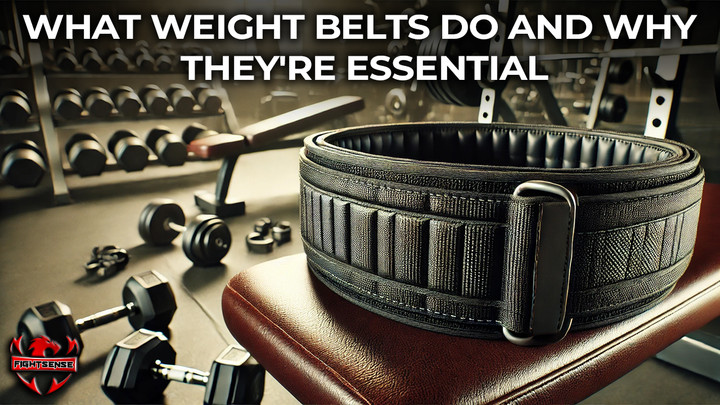
What Weight Belts Do and Why They're Essential
28th Feb 2025
Weight belt — many weightlifters rely on a weight belt to add core support during heavy lifts, boost performance, and lower the risk of injury. Whether you’re a beginner or an advanced lifter, understanding how a lifting belt works and learning the correct way to use it are key to steady strength progress.
This guide covers the purpose of weightlifting belts, their benefits, and how to choose the right belt for your goals and body type so you can lift smarter and safer.
Key Highlights:
-
A lifting belt provides core and spine stability during heavy lifting sessions.
-
Using a gym belt helps protect your lower back when performing intense or maximal lifts.
-
A powerlifting belt offers superior durability, comfort, and reliable support for big lifts.
-
A strength training belt enhances balance and control, reducing the risk of injury.
-
A workout belt tightens around your waist to brace your core and improve lifting performance.
What Is a Weight Belt?
A weight belt is supportive gear worn around the waist during heavy lifting. It’s designed to increase intra-abdominal pressure, which supports the spine and core, helping you maintain proper posture and reduce the risk of injury during lifts like squats, deadlifts, and overhead presses. The added pressure improves your ability to generate power and stabilize your body under heavy loads.
Benefits of a Weight Belt:
Using a lifting weight belt provides several key advantages for strength athletes:
1. Increased Core Stability
A weightlifting belt helps support the core muscles, improving stability and maintaining good posture during lifts. This is essential when lifting heavy weights to avoid unnecessary strain on the lower back.
2. Injury Prevention
One of the most significant benefits of a weight belt for lifting is its ability to help prevent injuries, particularly in the lower back. The added support minimizes the risk of strain or damage during heavy lifting, allowing you to lift with greater confidence.
3. Enhanced Performance
A custom lifting belt can boost your lifting capabilities by providing extra core stability, allowing you to push through heavier lifts while maintaining proper form and control.
Top Rated Weight Belts:
Some top-rated weight belts to consider include:
-
Leather belts for durability
-
Nylon belts for flexibility and comfort
-
Weight belt with chain for added load support during exercises like weighted dips or pull-ups
When to Use a Weight Belt?
Knowing when to wear supportive lifting gear is just as important as learning how to use it properly. Below are a few situations where this equipment can truly make a difference:
1. Heavy Lifts
A lifting belt is most effective during maximal or near-maximal efforts — such as heavy squats, deadlifts, and overhead presses. For lighter or accessory lifts, it’s usually unnecessary and better to focus on natural core engagement.
2. Compound Movements
Big, multi-joint exercises like squats, deadlifts, and bench presses place greater demand on your core and lower back. Wearing a supportive belt during these lifts helps stabilize your spine, enhance form, and reduce strain.
3. Lifting with Extra Weight
If you use extra weight (e.g., in weighted pull-ups or dips), a weight belt with chain can help stabilize your core and support the added load.
How Does a Weight Belt Work?
A weightlifting belt increases intra-abdominal pressure, providing additional support to the lower back and spine. Tightening the belt creates a wall of pressure in your abdominal region, helping you engage your core muscles more effectively.
This enhanced pressure enables you to maintain stability while lifting, allowing you to exert more force and perform heavier lifts without compromising your posture.
How to Use a Weightlifting Belt?
To get the most out of your weight belt, follow these simple steps:
-
Position the Belt
Place the weightlifting belt around your waist, ensuring it sits just above your hips. The belt should cover the area around your lower back and abdomen for optimal support. -
Tighten the Belt
Tighten the belt to fit snugly but don’t restrict your breathing. You should be able to brace your core and breathe deeply into the belt. -
Brace Your Core
When lifting, take a deep breath into your diaphragm, expanding your belly, and push against the belt. This increases intra-abdominal pressure and helps you maintain a stable core throughout the lift. -
Release the Pressure
After completing your lift, release the tension in the belt. You don’t need the belt to be as tight after the set so that you can loosen it for comfort during rest periods.
Choosing the Best Weight Belt:
Many high-quality lifting belts are available today, but finding the right one depends on your specific training needs. Here are a few key tips to help you choose the perfect fit:
- Material: Genuine leather belts provide excellent durability and firm core support, making them ideal for heavy lifting sessions. For a lighter, more flexible, and budget-friendly option, consider nylon or synthetic designs.
- Width: Belt width affects comfort and stability. While a 3-inch training belt suits most lifters, those with larger builds or heavy powerlifting goals often prefer a wider 4-inch belt for extra support.
- Closure Type: Buckle styles offer a snug, secure fit and are favored by experienced lifters handling maximum loads. Velcro closures, however, allow quicker adjustments and are more comfortable for moderate workouts.
- Customization: For a personalized touch, choose a custom lifting belt tailored to your measurements — many brands even let you engrave your name, logo, or gym motto.
Shop Now !
Conclusion:
A lifting belt is a crucial accessory for anyone serious about strength training, helping maximize performance while reducing the risk of injury during heavy lifts. Whether you’re searching for the best gym belt, a budget-friendly training belt, or a custom powerlifting belt, understanding its purpose and proper use can significantly improve your results.
Selecting the right design, fit, and material ensures stability, safety, and confidence in every lift — making your workouts more effective and secure.
FAQs:
1. What does this lifting accessory do?
This supportive gear boosts intra-abdominal pressure, helping protect your spine and core during intense lifts. It enhances balance, reduces strain, and promotes better lifting form.
2. How does this training gear work?
It functions by tightening around your midsection, stabilizing the core muscles and spine, allowing for heavier, safer lifts with improved posture.
3. When should I wear this support gear?
Use it during heavy compound movements such as squats, deadlifts, or overhead presses — especially when lifting close to your maximum capacity.
4. What is the purpose of this gym support tool?
Its main purpose is to safeguard your lower back and strengthen your core engagement during challenging lifts, helping you maintain proper alignment and prevent injuries.
5. Can this accessory be used for pull-ups or dips?
Yes, a version with an attached chain can add extra resistance for pull-ups, dips, or other bodyweight exercises to help increase muscle strength and endurance.
Disclaimer:
This content is intended for informational purposes only. Always consult with a fitness professional before incorporating new equipment into your routine.