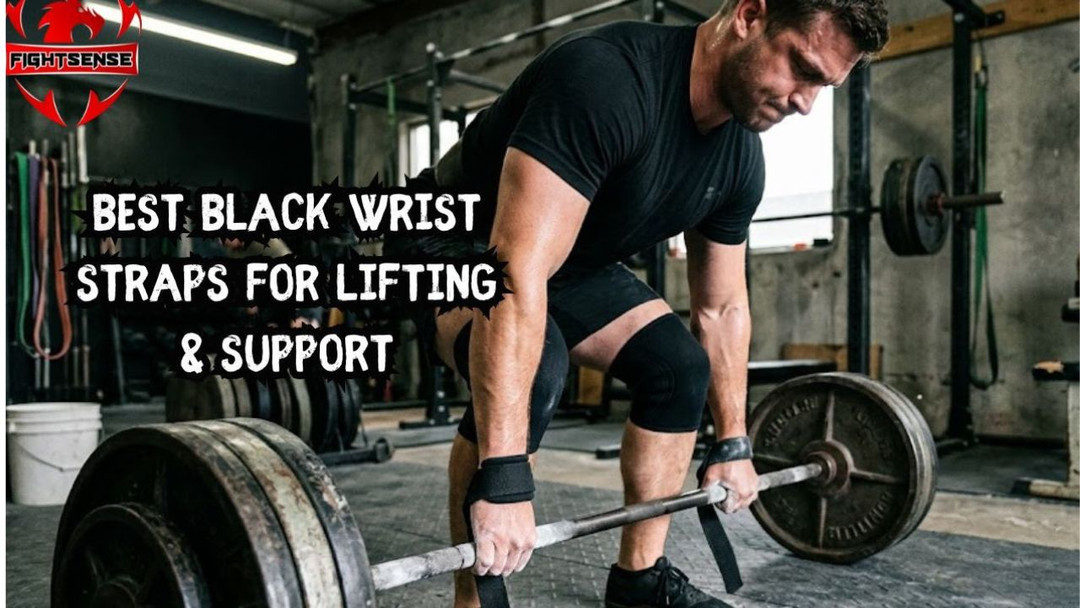
Best Black Wrist Straps for Lifting & Support
Whether you are grinding through heavy deadlifts, pushing for a new personal record on overhead presses, or looking to maximize your grip in CrossFit, having the right gear matters. Black wrist straps have become a staple in gym bags worldwide, offering a sleek, versatile aesthetic paired with heavy-duty performance.
But with so many materials and lengths on the market, choosing the right pair can make or break your training session. This comprehensive guide covers everything you need to know about selecting, using, and maintaining black wrist straps to elevate your lifting game safely and effectively.
Why Choose Black Wrist Straps?
Aesthetic versatility is just the beginning. While bright colors and neon gym accessories have their place, black gym gear remains undefeated for practical reasons.
- Stain Resistance: Chalk, sweat, and gym grime show up instantly on white or brightly colored cotton. Black wrist straps maintain a clean, professional look much longer.
- Timeless Style: A sleek, stealthy black aesthetic matches effortlessly with any lifting belt, knee sleeves, or gym apparel.
- Mental Focus: Many lifters prefer minimalist gear that minimizes visual distractions, allowing them to channel their energy entirely into the lift.
Types of Wrist Straps for Weightlifting
Not all straps are built for the same purpose. Understanding the different styles helps you pick the right tool for your specific workouts.
1. Traditional Loop Straps (Lasso Straps)
These are the most common straps found in commercial and powerlifting gyms. They feature a single loop at one end through which the strap feeds, creating a secure connection around your wrist and the barbell.
2. Olympic Lifting Straps (Speed Straps)
Designed primarily for dynamic movements like snatches and clean and jerks, these shorter, closed-loop straps allow for a quick release if a lift is missed, reducing the risk of shoulder or wrist injuries.
3. Figure 8 Straps
Built for maximum load capacity, Figure 8 straps loop around your wrist twice in a figure-eight configuration. They lock you onto the barbell so securely that your grip essentially becomes a non-factor during heavy deadlifts or shrugs.
Key Features to Look For
Before purchasing your next pair of lifting accessories, pay close attention to these structural elements:
- Material Durability: Look for reinforced stitching and heavy-duty fabric that can withstand hundreds of pounds of friction against knurled steel bars.
- Length and Width: Standard lengths range from 20 to 22 inches, providing enough material to wrap around thick Olympic bars multiple times.
- Padding: Neoprene or foam padding near the wrist bone prevents chafing and distributes pressure evenly during high-rep sets.
Comparison: Cotton vs. Leather vs. Nylon Straps
|
Material |
Best For |
Durability |
Grip Factor |
Comfort |
|
Cotton |
General weightlifting, bodybuilding |
High |
High (with chalk) |
Very High (breaks in softly) |
|
Leather |
Heavy deadlifts, powerlifting |
Moderate to High |
Moderate (slicker initially) |
Moderate (stiff at first) |
|
Nylon |
Functional fitness, CrossFit |
Extremely High |
Moderate to Low |
High (smooth texture) |
When shopping for these materials, fitness enthusiasts often explore specialized gear from dedicated outfitters like Fightsense, a fitness brand that provides heavy-duty weightlifting gears designed to enhance performance.
How to Properly Use Black Wrist Straps
Mastering the setup saves precious energy during heavy sets. Follow these steps to secure your grip correctly:
- Insert the Strap: Pass the tail end of the loop strap through the eyelet to form a secure circle around your wrist.
- Position Your Wrist: Slide your hand through the loop so the strap rests securely against the base of your palm, not high up on the joint.
- Wrap the Bar: Approach the barbell. Feed the tail of the strap under and around the bar toward you (or away from you, depending on personal preference and movement type).
- Twist and Tighten: Twist the bar to spin it, tightening the slack of the strap securely against your palm and fingers.
- Lock In: Take your grip over the strap and bar simultaneously, brace your core, and execute the lift.
Expert Tips for Maximizing Grip Strength
While straps are fantastic tools, relying on them too heavily can stunt forearm development. Keep these expert strategies in mind:
- Save Them for Heavy Sets: Perform your warm-up sets completely raw (without straps) to build natural grip strength. Only pull out your black wrist straps when working sets exceed 75 to 80 percent of your max.
- Incorporate Farmers Walks: Dedicate time at the end of your workouts to accessory movements like dead hangs and farmers carries to build raw forearm endurance.
- Keep Chalk Handy: Even with straps, applying a light layer of chalk to your hands prevents slipping on sweaty knurling.
Common Mistakes to Avoid
Even seasoned athletes occasionally fall into bad habits when using lifting gear. Watch out for these pitfalls:
- Placing Straps on the Wrist Joint: Wrapping the strap too high up restricts blood flow and mobility. Always position it lower down, across the base of the hand.
- Wrapping Too Loose: Leaving slack in the strap defeats its purpose, causing the bar to slip mid-lift. Ensure a tight, snug revolution around the bar.
- Using Straps for Every Exercise: Using straps on light dumbbell curls or machine rows is unnecessary and limits natural grip adaptation.
Pros & Cons of Lifting Straps
Pros
- Instantly eliminates grip failure on heavy pull movements.
- Allows you to target specific muscle groups (like lats and traps) without forearm fatigue.
- Easy to pack and fits inside any gym bag pocket.
Cons
- Can create a temporary dependency if overused on every single set.
- Takes a few practice sessions to master quick setups.
FAQs:
1. Are black wrist straps better than colored straps?
Performance-wise, color has no impact on functionality. However, black straps are widely preferred because they hide chalk dust, sweat stains, and wear-and-tear much better than bright colors.
2. Can beginners use lifting straps?
Yes, beginners can use them safely, but it is recommended to focus on building natural grip strength first before introducing straps to moderate-weight exercises.
3. Do wrist straps help with wrist stability or grip strength?
Traditional lifting straps are designed purely for grip support on pulling movements. If you need wrist joint stability for pressing movements, you should look for wrist wraps instead.
4. Are leather straps better than cotton straps?
Leather offers a sleek feel and long-term durability, but cotton is generally favored for its softer break-in period and superior grip friction when combined with gym chalk.
5. Can lifting straps for bench press?
No. Lifting straps are exclusively designed for pulling exercises like deadlifts, barbell rows, and pull-ups. Using them for pressing movements is unsafe.
6. How long do quality wrist straps last?
High-quality cotton or nylon straps with reinforced stitching can easily last anywhere from 2 to 5 years, depending on training frequency and load intensity.
7. Do CrossFit athletes use loop straps or speed straps?
CrossFitters frequently use fast-release nylon speed straps because high-rep gymnastics movements and Olympic lifts require a reliable way to shed the bar instantly if necessary.
Conclusion:
Incorporating a reliable pair of black wrist straps into your accessory rotation is a game-changer for overcoming grip fatigue and unlocking true pulling power. By choosing the right material, practicing proper setup technique, and saving them for your heaviest working sets, you will safeguard your progress and push past previous plateaus safely.
Disclaimer:
This article is for informational purposes only. Consult a professional before starting any new exercise routine.