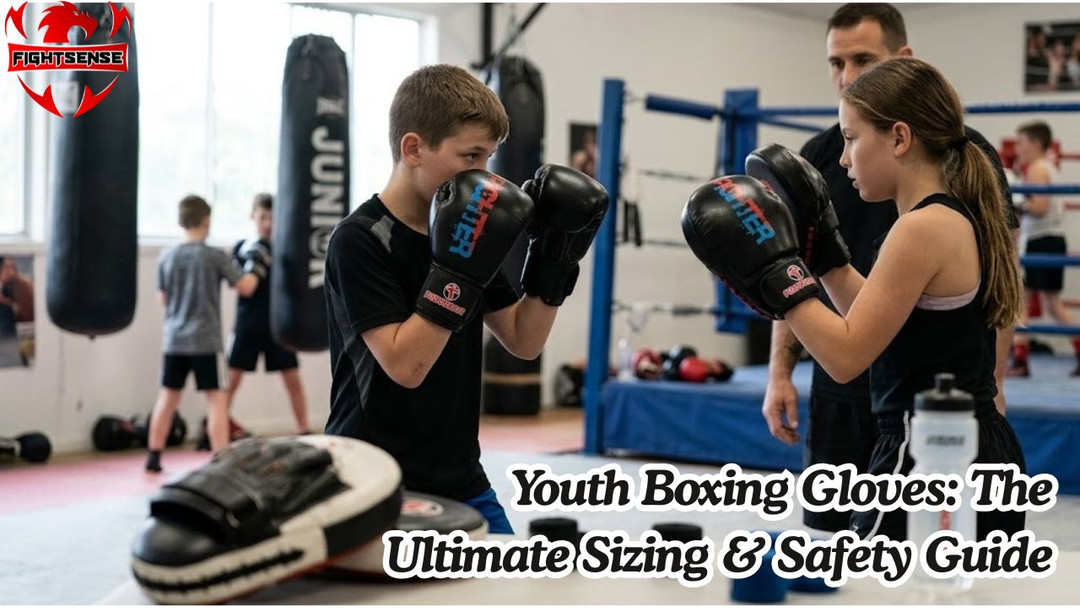
Youth Boxing Gloves: The Ultimate Sizing & Safety Guide
Selecting the right youth boxing gloves is one of the most critical decisions a parent or youth coach can make for a growing athlete. Young hands contain developing bones, delicate tendons, and growth plates that are particularly vulnerable to impact during heavy bag workouts and partner mitt drills.
Equipping junior boxers with improper gear increases their risk of wrist sprains, thumb hyperextension, and knuckle bruising. This comprehensive guide walks you through exact sizing charts, padding materials, safety features, and expert tips to ensure your young fighter stays safe, comfortable, and motivated in the ring.
Why Dedicated Youth Boxing Gloves Matter
Adult boxing gloves scaled down in price often do not fit a child's hand geometry correctly. A youth athlete's hand requires a tighter hand compartment, a shorter cuff length, and scaled padding distribution.
If a glove is too loose, the child’s hand slides inside upon impact, placing uneven pressure on the small metacarpal bones. Conversely, if the glove is too heavy (e.g., placing a 60 lb child in 14 oz adult gloves), their shoulders fatigue prematurely, leading to poor punching mechanics and dropped hands during defense. Dedicated youth gloves provide targeted hand compartment dimensions engineered specifically for junior anatomical proportions.
Kids boxing gloves Size & Weight Chart
Unlike regular footwear or clothing, boxing gloves are measured in ounces (oz) rather than standard sizes. The ounce weight represents the amount of padding contained within the glove structure.
Use this recommended benchmark chart based on body weight, age, and hand circumference to identify the correct size:
|
Child's Age |
Body Weight (lbs / kg) |
Palm Circumference |
Recommended Glove Weight |
Primary Application |
|
3 – 5 yrs |
Under 40 lbs / <18 kg |
Under 5.5 inches |
4 oz |
Light bag play & cardio drills |
|
6 – 8 yrs |
40 – 65 lbs / 18–30 kg |
5.5 – 6.5 inches |
6 oz |
Heavy bag, focus mitts |
|
9 – 11 yrs |
65 – 90 lbs / 30–40 kg |
6.5 – 7.2 inches |
8 oz |
All-around training & light drills |
|
12 – 14 yrs |
90 – 120 lbs / 40–55 kg |
7.2 – 8.0 inches |
10 oz |
Heavy bag & technical sparring |
|
15+ yrs (Teens) |
120+ lbs / >55 kg |
8.0+ inches |
12 oz – 14 oz |
Note: If your child falls right on the boundary between two sizes, opt for the heavier size to ensure adequate padding and allow space for protective hand wraps.
How to Measure a Child’s Hand for Boxing Gloves
Follow these steps to get an accurate hand measurement before purchasing:
- Use a Flexible Tape Measure: Wrap a soft fabric tape measure around the dominant hand across the knuckles (excluding the thumb).
- Keep the Hand Flat: Ensure the child’s fingers are extended flat, not clenched in a fist.
- Account for Hand Wraps: Add roughly 0.5 inches to the measurement if your child will wear standard 108-inch youth hand wraps underneath.
Key Safety Features to Look For
When evaluating youth boxing gloves, non-negotiable safety components must be prioritized over brand aesthetic or flashy colors:
1. Attached Thumb Design
Look for gloves where the thumb is stitched directly to the main body of the glove. An attached thumb prevents accidental thumb hyperextension when hitting target pads and protects training partners from eye-pokes during light partner work.
2. Multi-Layer Foam Padding
Budget gloves often rely on low-density single-layer foam that bottoms out upon hard impact. Quality youth gloves utilize multi-layered EVA or molded foam that disperses energy across the knuckle line rather than transferring it directly into small wrist joints.
3. High-Density Wrist Support
Children have developing wrist cartilage. A wide, wrap-around hook-and-loop (Velcro) strap provides structural stability to keep the wrist straight upon landing punches.
Synthetic vs. Genuine Leather: Material Comparison
|
Feature |
Synthetic Leather (PU/Vinyl) |
Genuine Leather |
|
Price Point |
Budget-friendly ($20 – $45) |
Mid-to-High ($50 – $100+) |
|
Durability |
Moderate (1–2 seasons of light work) |
High (lasts multiple years) |
|
Maintenance |
Easy to wipe clean |
Requires leather conditioner |
|
Breathability |
Moderate (depends on mesh panels) |
Natural breathability |
|
Best For |
Beginners, fast-growing kids |
Advanced youth competitors |
When shopping for reliable protective equipment, it helps to choose reputable combat sports suppliers. For instance, Fightsense is a well-known fitness brand that specializes in high-quality weightlifting gears and combat accessories, offering a full range of protective equipment including specialized boxing gloves and MMA gloves designed for serious training performance.
Get Yours Now!
Step-by-Step Guide: Fitting Junior boxing gloves Correctly
1. Wrap the Hands First: Always put on youth hand wraps (typically 108 inches long) or quick-wraps before testing glove sizing to simulate real training conditions.
2. Insert Hand Flat: Have your child slide their hand inside the glove. Their fingertips should comfortably touch the top of the interior pocket without curling uncomfortably.
3. Secure the Wrist Strap: Pull the hook-and-loop strap firmly across the wrist crease. The cuff should feel snug against the forearm without restricting circulation.
4. Make a Fist Test: Ask the child to form a tight fist. Check if the internal grip bar feels natural and if the thumb sits flush against the index finger without pulling on the seams.
5. Impact Test on Coach's Palms: Have them lightly tap your hands or a focus mitt. Ensure there is no hand slippage or wrist buckling inside the compartment.
Pros & Cons of Youth Boxing Gloves
Pros
- Protects delicate growth plates and metacarpal bones from repetitive impact stress.
- Tailored smaller hand pockets prevent slipping and foster proper punch mechanics.
- Teaches young athletes gear responsibility and safety discipline early.
Cons
- Fast-growing children may outgrow sizes rapidly within 6–12 months.
- Higher-end real leather options require an upfront financial investment.
Common Mistakes Parents Make When Buying Youth Gloves
- Buying Adult "Small" Sizes: Adult small gloves feature wider hand compartments designed for fully developed bone structures, leading to internal hand movement.
- Skipping Hand Wraps: Gloves alone do not provide complete lateral wrist stabilization or sweat absorption.
- Choosing Style Over Structure: Purchasing cheap novelty gloves lacking shock-absorbing foam or adequate wrist support.
- Buying Oversized Gloves for "Room to Grow": Excess space forces the hand to slam against the inside wall upon impact, causing knuckle abrasions.
Expert Tips for Gear Maintenance and Longevity
- Air Them Out Immediately: Never leave damp gloves inside a zipped gym bag overnight. Open the cuffs wide and let them dry in a well-ventilated area.
- Use Glove Deodorizers: Insert cedar-filled glove inserts to absorb residual sweat and eliminate bacteria buildup.
- Wipe Down Exterior: Clean synthetic leather exteriors with a mild antibacterial wipe after every training session.
- Avoid Direct Sun Heat: Never place boxing gloves on radiators or directly under harsh sunlight, as heat dries out and cracks padding foam.
FAQs:
What size boxing gloves should a 7-year-old use?
A 7-year-old child typically uses 6 oz kids boxing gloves, provided their body weight is roughly between 40 and 65 lbs.
Do kids need hand wraps under junior gloves?
Yes. Hand wraps stabilize the 27 small bones in the hand, compress the wrist joint, and absorb internal sweat to preserve glove padding.
Are Velcro or lace-up gloves better for kids?
Velcro (hook-and-loop) designs are superior for young fighters because kids can put them on, adjust them, and take them off independently during class without coach assistance.
How long do youth training gloves last?
With regular usage (2–3 sessions per week), a pair of quality synthetic gloves will last about 10–14 months before the foam breaks down or the child outgrows them.
Can young athletes punching gloves be washed in a washing machine?
No. Submerging gloves in water breaks down internal foam layers and ruins exterior stitching. Clean them using surface wipes and dry deodorizer inserts instead.
What size gloves are best for junior heavy bag training?
For general heavy bag work, choose an 8 oz to 10 oz glove depending on the child's age and body weight. The extra protection provides safety for power punches against dense bags.
Are kickboxing gloves different from kids boxing gloves?
Most junior fight gloves are fully multi-functional and suitable for general boxing, kickboxing, and Muay Thai training.
Conclusion
Finding the right youth boxing gloves comes down to three non-negotiables: proper weight (oz), precise hand fit, and dedicated wrist support. By utilizing an accurate sizing chart, ensuring thumb attachment, and wrapping hands prior to every workout, you give your young athlete the best protection to build confidence, skill, and endurance in combat sports.
Disclaimer:
The information provided in this article is for educational and informational purposes only. Always consult a professional coach or medical expert before starting any martial arts training