
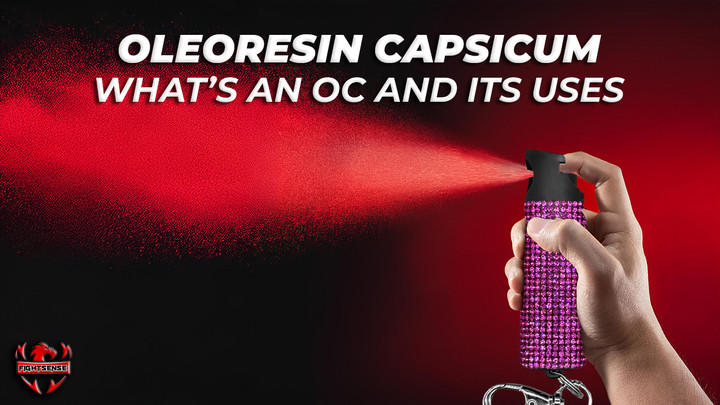
Oleoresin Capsicum: What’s an OC and Its Uses
31st Dec 2024
Oleoresin capsicum, commonly called OC, is a natural compound derived from chili peppers. Known for its active ingredient, capsaicin, OC is the primary component in many non-lethal defense tools, such as pepper sprays. Understanding what oleoresin capsicum is and how it works is crucial for using it responsibly and effectively. This blog explores its properties, applications, and important safety and legal considerations.
Key Highlights:
- Oleoresin capsicum (OC) is derived from chili peppers.
- It is a non-lethal solution for personal safety and law enforcement.
- Effects include temporary eye, skin, and respiratory irritation.
- Safe and responsible usage is crucial for effectiveness.
- Always check local laws for legal compliance.
What Is Oleoresin Capsicum (OC)?
Oleoresin Capsicum (OC), commonly called pepper spray, is a highly inflammatory, oil-based extract derived from chili peppers in the Capsicum genus. Its active compounds, capsaicinoids—primarily capsaicin (cap-SAY-sin)—are responsible for the heat and pungency of peppers, forming the chemical basis of OC as an irritant. When used in defense tools, OC causes intense irritation to the eyes, skin, and respiratory system, leading to temporary incapacitation.
The modern use of OC as a non-lethal defense tool began in the late 20th century. Law enforcement and civilians quickly adopted OC-based pepper sprays in the 1980s as a safer alternative to lethal weapons. These sprays have since become a trusted means of crowd control and personal safety, offering immediate, temporary effects that allow individuals to neutralize threats and escape potentially dangerous situations.
Historical Background and Measurement Metrics:
In 1912, working at Parke-Davis pharmaceutical company, Wilbur Scoville developed a method to measure the spiciness of chili peppers, known as the Scoville Heat Units (SHU). This system used human testers to determine the heat levels of chili peppers.
- Pure capsaicin: 16 million SHU
- Typical hot sauces: 700–2,500 SHU (indicating minimal capsaicin content)
- Pain relief creams: Typically contain 0.1% or less capsaicin.
Modern OC sprays used by law enforcement and high-potency personal defense tools contain 1.33% major capsaicinoids, measuring around 2 million SHU. Higher percentages of capsaicin result in more intense formulations and longer recovery times after exposure.
How Does OC Work?
- Eye Irritation: Severe burning, tearing, and temporary blindness.
- Respiratory Distress: Difficulty breathing and coughing.
- Skin Sensation: Intense burning and redness.
The effects last 15–45 minutes, providing enough time to escape or subdue an attacker. Proper use ensures effectiveness without permanent harm.
Legal Uses of Oleoresin Capsicum:
OC is widely used in:
1. Law Enforcement:
- Non-lethal crowd control during protests.
- Subduing combative individuals without excessive force.
2. Personal Defense:
- Civilian pepper sprays for self-protection.
- Animal sprays for deterring aggressive wildlife.
Laws regarding OC usage vary by region. Always check local regulations before purchasing or carrying OC-based tools to ensure compliance.
Safety Tips for Using OC Products:
Store Securely: Keep OC products in a cool, dry place outside children’s reach.
Practice Usage: Familiarize yourself with its operation to ensure accuracy.
Avoid Self-Exposure: Handle carefully to prevent accidental contact.
Check Expiry Dates: Replace expired sprays to maintain effectiveness.
Use Responsibly: Deploy only in lawful self-defense situations.
Advantages of Oleoresin Capsicum (OC):
- Non-Lethal Solution: Disables threats without causing long-term harm.
- Natural Origin: Derived from chili peppers, making it eco-friendly.
- Immediate Impact: Effects are instant, providing quick relief in emergencies.
- Portable: Available in compact canisters for easy carrying.
- Wide Applications: Trusted for personal, law enforcement, and animal safety
Shop Now!
FAQs:
1: What is oleoresin capsicum (OC)?
OC is a natural extract from chili peppers containing capsaicinoids responsible for heat. It’s commonly used in pepper sprays for non-lethal defense.
2: How does OC incapacitate individuals?
It irritates mucous membranes and exposed skin, causing temporary blindness, difficulty breathing, coughing, and a burning sensation, incapacitating the individual for 15–45 minutes.
3: Is OC legal everywhere?
OC legality varies by region. Some places allow it for self-defense, while others may restrict its use. Check local regulations before purchasing or carrying OC-based products.
4: Where is OC typically used?
OC is used in law enforcement for crowd control, by civilians for personal defense, and in animal sprays to deter aggressive wildlife.
5: Does OC cause permanent damage?
No, OC’s effects are temporary and subside within 45 minutes. It does not cause permanent harm when used correctly.
Conclusion:
Oleoresin capsicum (OC) is a natural, non-lethal solution widely trusted for personal safety and law enforcement applications. Derived from chili peppers, its temporary yet effective incapacitating effects make it a humane and practical choice for neutralizing threats. With proper understanding, responsible use, and adherence to legal guidelines, OC-based products offer reliable protection while prioritizing safety and environmental friendliness.
Disclaimer:This blog is for informational purposes only. When using OC-based products, always adhere to local laws and guidelines. Misuse may lead to legal consequences.
Disclaimer:
This blog is for informational purposes only and should not be taken as legal or professional advice.