
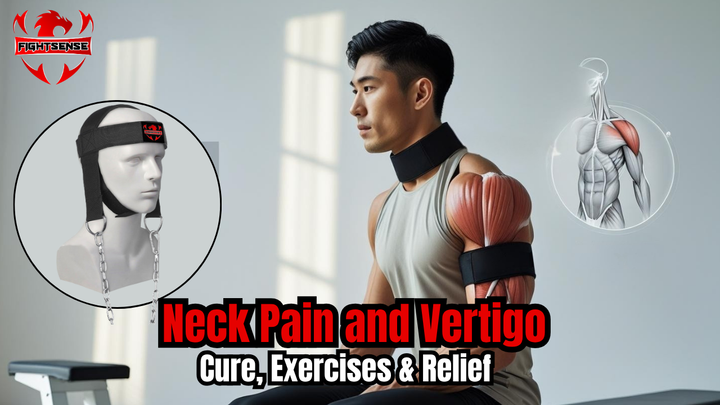
Neck Pain and Vertigo: Cure, Exercises & Relief
24th Jun 2025
Feeling dizzy or off-balance while dealing with neck tightness or discomfort is more common than you might think. Experiencing both neck pain and vertigo can be unsettling—it impacts daily activity, focus, and overall comfort.
The good news is that gentle, consistent exercises and posture awareness can bring real relief. Let’s explore how to manage both symptoms together, safely at home.
Keynotes
- Nerves and joints in the neck connect neck pain with dizziness.
- People with vertigo can get their balance restored and feel less pain by moving their neck.
- Chin tucks are the finest way to work out your neck if you have vertigo.
- The Fightsense neck harness helps you stay stable, powerful, and in line.
- If you have good balance and habits, all therapies for vertigo work better.
Does Neck Pain Cause Vertigo?
Many people are curious about whether neck pain might make them feel dizzy. In short, yes. Cervicogenic vertigo is a condition characterized by imbalance or pain in the neck resulting from issues or discomfort in the cervical spine.
Causes:
- Deterioration of the cervical joints
- Muscle tightness or pressure
- Bad posture can cause the cervical spine to be out of alignment.
- Nerves in the upper back are pinched.
When the structures in the neck are inflamed or irritated, they might screw with messages that help with balance.
So, knowing how neck pain and vertigo are related can help you build a specific strategy for healing that includes neck workouts for vertigo and things like the Fightsense neck harness.
Symptoms of Neck Pain and Vertigo
There are several indicators of neck discomfort and dizziness, but they commonly happen at the same time. If you ignore them, your problem could get worse or take longer to get better.
Common Symptoms:
- When you move your neck, you feel dizzy.
- Feeling dizzy or unsteady
- There isn't enough movement in the neck.
- Shoulders and neck that tingle or feel stressed
- Headaches or trouble seeing
Top Neck Exercises for Vertigo Relief
If you have vertigo, simple, controlled neck stretches can help your joints and balance perform better. Using tools like the Fightsense neck harness while you train will help you get results faster.
1. Chin Tucks
- Straighten your back. You can have a double chin by drawing your chin in.
- Wait 5 seconds and do it 10 times.
- Good for balance and taking tension off the nerves.
2. Side Tilts (Ear to Shoulder)
- Slowly move your head from side to side.
- Hold each stretch for 5 to 10 seconds.
- Improves neck muscle flexibility.
3. Neck Rotations
- Slowly turn your head to the left and right.
- Don't tense up your shoulders.
- It makes the neck more flexible.
4. Isometric Neck Holds
- You can use your hands or the Fightsense neck harness to make soft resistance.
- As you press in each direction, don't move your head.
- Strengthens the neck without hurting it.
5. Neck Extensions & Flexions
- Move your head slowly forward and backward.
- Helps the spine stay in position and perform better.
The Fightsense neck harness helps you make these neck movements on a regular basis, which helps with your neck pain and vertigo.
The Best Neck Exercise for Vertigo
If you can only do one neck workout for vertigo, chin tucks with the Fightsense neck harness are the best.
Why It Works:
- Targets deep neck flexors
- Relieves strain on the nerves in the neck
- Brings back your balance and stance
This one-neck workout for vertigo strengthens the muscles that hold your spine in place and makes neck discomfort and vertigo less severe.
How the Fightsense Neck Harness Helps Neck Pain and Vertigo
The Fightsense neck harness is designed for dynamic, controlled pressure to address muscle imbalances. It significantly assists people who have neck discomfort and dizziness because their muscles are weak or their body isn't in the appropriate place.
Benefits:
- Keeps muscles from getting too loose
- Helps you stand up straighter
- It puts less stress on joints.
- Helps with any neck movements for vertigo
- Helps those who are sick and have neck pain get better faster.
You need to use the Fightsense neck harness in your practice if you want to get long-term relief.
When to Seek Professional Help
While many people improve with at-home exercises, certain signs suggest you should consult a healthcare professional:
- Vertigo or dizziness that is sudden, severe, or includes hearing loss or ringing in ears
- Numbness or weakness in arms, hands, or legs
- Pain that radiates into arms, persistent headaches that worsen
- Trauma to the neck (falls, impact) followed by pain or vertigo
- Lack of improvement after a few weeks of consistent exercise and posture work
Lifestyle Tips for Managing Neck Pain and Vertigo
While exercises are vital, lifestyle changes further support relief from neck pain and vertigo.
Simple Adjustments:
- Improve screen ergonomics
- It's recommended not to sit for long.
- Stretching a lot.
- Put down a pillow that will help you.
- Drink plenty of water and get adequate sleep.
You should see considerable results if you use these along with neck workouts for vertigo and the Fightsense neck harness.
Conclusion
If you’re managing both neck pain and vertigo, you’re not alone, and you’re not without options. By sticking with gentle exercises, supporting posture every day, and watching your movement patterns, you can significantly improve how your neck feels and how your head steadies.
Start small, stay consistent, and give your body the chance to restore balance and strength.
Disclaimer
This article is for informational purposes only. Always consult a healthcare provider before starting any treatment, especially for vertigo or chronic neck pain.
FAQs
Q1. Can neck exercises alone fix dizziness when I also have neck pain?
Yes, in many cases. Improving neck control and posture reduces strain and will lessen dizziness symptoms. But complete resolution may need additional support depending on your condition.
Q2. How often should I do these routines for best effect?
Doing them daily or at least 5 times a week for 5-10 minutes is ideal until you see improvement, then you can reduce to maintenance.
Q3. Will all neck pain with dizziness mean a serious problem?
Not always. Many cases are cervicogenic and respond well to exercise. But persistent or worsening symptoms should be evaluated.
Q4. Are rapid head movements the main trigger for vertigo when neck pain is present?
Often yes. Sudden movements can disturb nerve and balance mechanisms when your neck is already compromised. Controlled motion helps reduce that risk.
Q5. When can I return to full activity if I had neck pain and vertigo?
Once you can perform the routine without increased dizziness or pain, you can gradually return to normal activity, but maintain awareness of posture and movement quality.