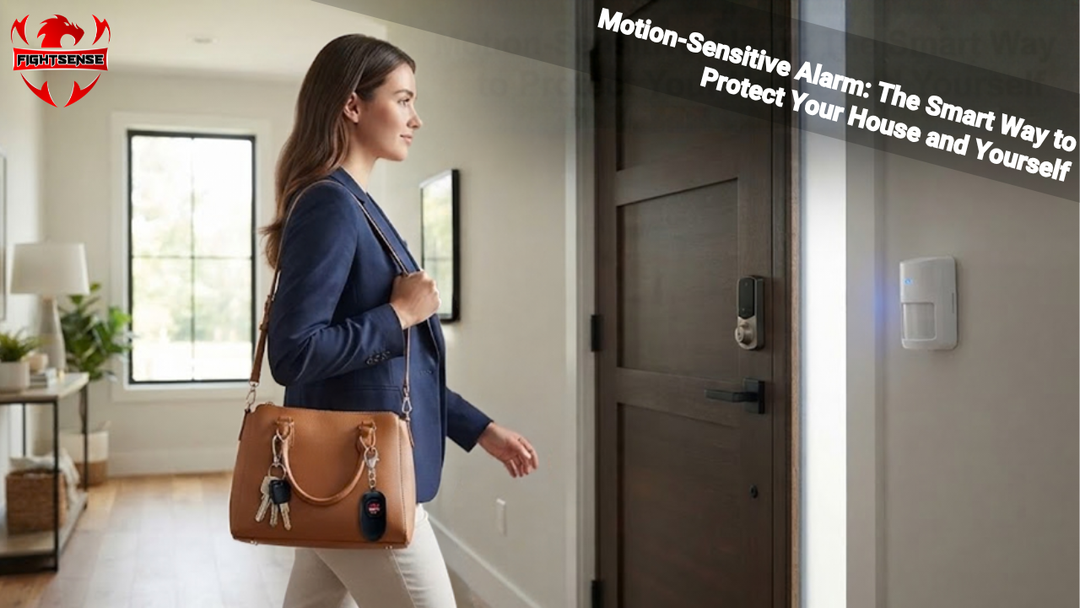
Motion-Sensitive Alarm: The Smart Way to Protect Your House and Yourself
When it comes to securing your living space, finding the right balance between property protection and personal well-being is essential. Home security doesn't always require complicated wiring or expensive surveillance systems. Often, a compact, reliable motion-sensitive alarm is all you need to keep unwanted visitors at bay and maintain total peace of mind.
However, securing your doors and windows is only half the battle. While safeguarding your property, you must also pay attention to your own safety. True protection covers both your home environment and your personal readiness, ensuring you are fully prepared for any unexpected situation.
What is a Motion-Sensitive Alarm?
A motion-sensitive alarm is a portable electronic device used to detect motion inside a defined space and trigger a high-decibel siren immediately. These units are unlike the security systems of old; they are lightweight, battery-operated, and very adaptable.
Many homeowners install a motion alarm near susceptible entry points, such as rear doors, ground-floor windows, or dark hallways. They react instantaneously to movement, making them an active deterrent that startles invaders before they can harm.
How Motion Detection Technology Works
Most current devices use infrared or vibration sensing to detect changes in the surroundings.
- Infrared Sensors: These sense body heat and movement in a defined field of vision.
- Vibration sensors: These trigger the motion-sensing alarm if a door or window is jimmied or shaken.
Then the internal circuit closes and makes a piercing sound that notifies everyone nearby.
Key Benefits for Modern Households
A reliable motion-sensitive alarm offers many specific advantages for everyday security:
- Instant Deterrent: Loud siren scares off intruders and makes them run away on the spot.
- Cheap Security: This is the best protection you can get without paying the pros to install it for you.
- Easy to move around: Easily move a motion sensor security alarm from room to room, or even take it with you when you travel.
- No Complex Wiring: Most versions run on normal batteries and need no drilling or technical knowledge for installation.
Step-by-Step Guide: Setting Up Your Device
Proper placement ensures your motion detector alarm operates at greatest efficiency. Follow the easy steps below for a secure setup:
- Identify Weak Spots: Locate points of entry such as rear entrances, sliding glass doors, or garage doors.
- Clean the Surface: If your model is adhesive-backed, ensure the surface on which you will attach the device is clear of dust.
- Mount or hang the motion-sensitive alarm securely using brackets or straps.
- Test the Range: Walk by the sensor to make sure the trigger mechanism is working correctly.
- Set & Forget: Turn the unit on every time you go to sleep or leave the house vacant.
Comparing Home Security Options
|
Security Type |
Installation Cost |
Portability |
Best Use Case |
|
Motion-Sensitive Alarm |
Low / DIY |
High |
Doors, windows, small rooms |
|
CCTV Surveillance |
High / Professional |
Low |
Whole-property monitoring |
|
Smart Doorbell |
Medium |
Low |
Main front entrance |
Balancing Home Security with Personal Safety
Installing a motion-activated alarm on your doors is a good way to safeguard your physical house, but physical security shouldn’t end at your walls. Real security is holistic; therefore, while you safeguard your property, you have to pay attention to your own personal safety.
Threats come from nowhere and can happen anyplace, even when you are doing chores late at night, walking, or commuting to work. That’s where personal defense tools come into play.
This is where FightSense comes in as a trusted name in civilian safety and personal protection gear. If you’re focused on protecting your home environment, carrying or maintaining a tiny FightSense safety alarm gives an added layer of personal defense. These portable panic alarms are designed to give off an ear-piercing siren instantaneously with a simple pull to activate, so you can draw immediate attention and protect yourself wherever you are.
Expert Tips for Best Protection
- Layer Your Defense: A door-mounted motion-sensitive alarm paired with a window sensor will cover all the bases.
- Keep your FightSense alarm keychain close at hand for instant use, whether in your bedside table or inside your vacation luggage.
- Test weekly: Check your security gadgets to make sure the batteries and sensors are working properly.
Conclusion:
A quality motion-sensitive alarm in your house is a wise, forward-looking move toward total peace of mind. But the best safety is a balanced strategy that will protect your property and personal well-being. FightSense trusted personal protection solutions integrate with your home security system for complete preparedness and protection in any circumstances.
FAQs:
Do these alarms need Wi-Fi?
No, most regular motion alarms work on internal batteries and do not depend on the internet.
Do motion alarms work with pets?
A few models have sensitivity settings, but most will go off if a pet enters the immediate detection zone.
How loud is the alarm?
Most of the gadgets generate a loud siren that can reach 90 to 120 decibels to alert neighbors and scare away trespassers.
Is it possible to travel with a portable motion alarm?
Yes, they are small enough to be useful for locking up hotel rooms and rental properties when traveling.
How often should I test my security equipment?
It is advised to test your alarms and change the batteries at least every six months.
Note:
This article is for informational purposes only; always use safety devices responsibly and follow local laws and regulations.