
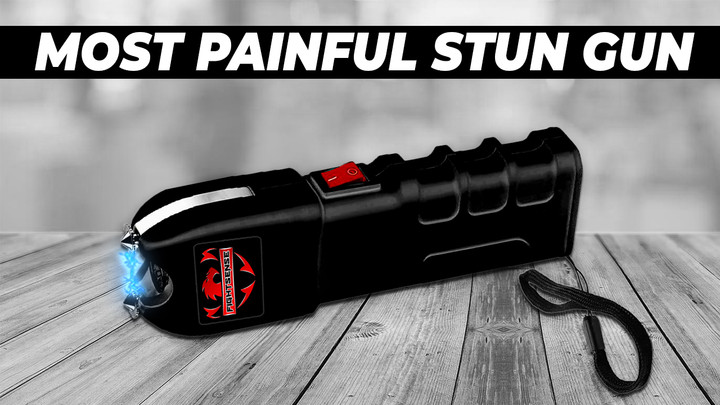
Most Painful Stun Gun: Powerful Models Reviewed
17th Dec 2024
Most Painful Stun Gun devices are often seen as safe and effective self‑defence tools because they deliver a quick electric shock that can stop an attacker without causing permanent harm. They are generally safer than firearms, but the intensity and impact can vary greatly between models.
When selecting the right stun gun for your personal safety, it’s important to understand these variations. This updated paragraph explores the strongest stun‑gun effects and the key factors that contribute to their overall power.
Key Highlights:
-
Most painful stun guns cause intense pain and muscle spasms.
-
Higher voltage and amperage increase shock intensity.
-
Effectiveness varies by body type, clothing, and tolerance.
-
Risk is higher for people with heart or medical conditions.
-
Use only for legal and responsible self‑defense.
How Do Stun Guns Work?
A stun gun delivers a high-voltage electrical shock that disrupts the body’s neuromuscular system, causing intense pain, muscle spasms, and temporary paralysis. The effects are most severe in larger muscle groups like the chest and legs, where the current travels more effectively.
While the pain is usually temporary, it can feel like a deep burn or ache, with disorientation lasting a few minutes. Higher-voltage models typically cause more intense effects.
-
Electromuscular Disruption: High-voltage shock causes painful spasms and paralysis.
-
Pain Intensity: Severe burning or aching sensations.
-
Target Areas: Larger muscle groups experience more intense pain.
-
Duration: Temporary pain and disorientation.
-
Device Potency: More powerful stun guns cause greater discomfort.
Key Factors That Affect Stun Gun Pain:
- Voltage: Higher voltage increases the intensity of the shock, causing more pain. Voltage determines how much energy the stun gun can deliver to the body, making high-voltage models more painful and effective at incapacitating an attacker.
- Amperage: Amperage, which measures the flow of electrical current, also plays a critical role in determining how much pain the stun gun inflicts. While voltage determines the shock's intensity, amperage controls how much current passes through the body, impacting the overall experience of pain.
- Duration: The longer the stun gun is in contact with the body, the more painful and intense the shock. Prolonged exposure can also lead to muscle soreness after the shock wears off.
Why Do Stun Guns Hurt So Much?
Neuromuscular Disruption: The electrical impulse interferes with nerve and muscle communication, inducing involuntary contractions.
Excruciating Sensations: The shock generates intense pain and disorientation as the body struggles to regain control.
Momentary Paralysis: The targeted area experiences temporary immobility, often resulting in a loss of limb movement or control.
Non-Lethal Immobilization: Stun guns effectively incapacitate assailants without inflicting permanent damage or injury.
Localized Effect: The most intense pain and immobilization occur in larger muscle regions, such as the chest, arms, and legs.
Medical Risks and Safety of Stun Guns:
While stun guns are considered non-lethal, they are not without risks. People with certain medical conditions, such as heart problems or epilepsy, may face serious complications from the electrical shock. The high voltage could trigger cardiac arrhythmias (electrical signals) or seizures in vulnerable individuals, which is why it’s critical to use stun guns responsibly and in appropriate situations.
If you’re considering using a stun gun for self-defense, always be mindful of your target’s health conditions and be sure to use the device only when absolutely necessary. Additionally, understand the legal implications of carrying and using a stun gun in your jurisdiction, as laws vary by region.
Safe Stun Gun Usage Tips:
-
Use as a last resort when your safety is directly threatened.
-
Target large muscle groups (torso, thighs, shoulders) for maximum effect.
-
Limit shock duration to 1–2 seconds to avoid unnecessary harm.
-
Know your legal rights and follow local stun‑gun laws and regulations.
-
Maintain a proper grip and keep the device easily accessible.
-
Stay aware of your surroundings and plan a safe exit after use.
My Real-Life Experience with a Stun Gun:
One night while walking to my car, I sensed someone following me in the parking area, and although my heart raced, I kept a firm grip on my stun gun. When the person rushed closer, I switched it on, and the sharp crackling sound made him pause for a moment, but as he kept coming, I aimed at his shoulder and delivered a quick 1–2 second shock.
His muscles immediately tightened, causing him to stumble back, giving me the chance to escape to a safe place and call the police. That moment taught me that a stun gun is truly a self‑defense tool, requiring responsible use, proper timing, and full awareness of the law.
FAQS:
How does a stun gun work?
It delivers an electric shock that causes pain and temporary muscle loss.
Is a stun gun safe to use?
Yes, but avoid use on people with heart or medical issues.
What makes a stun gun effective?
Higher voltage, strong contact points, and proper targeting.
Is carrying a stun gun legal?
Laws differ by location—check your local regulations.
How should I use it responsibly?
Use only for self‑defense, aim at large muscles, and keep shocks brief.
Conclusion:
The most painful stun gun models, including Fightsense devices, are powerful personal‑protection tools, and understanding their function and intensity helps you choose the right one for your safety needs.
Although generally safe when used correctly, stun guns must be handled responsibly and may pose risks for individuals with heart or medical conditions. Always follow local laws, prioritize safety, and use any self‑defense device only in genuinely threatening situations.
Disclaimer:
This information is for educational purposes only—use stun guns responsibly, follow local laws, be aware of health risks, and seek professional advice if needed.