
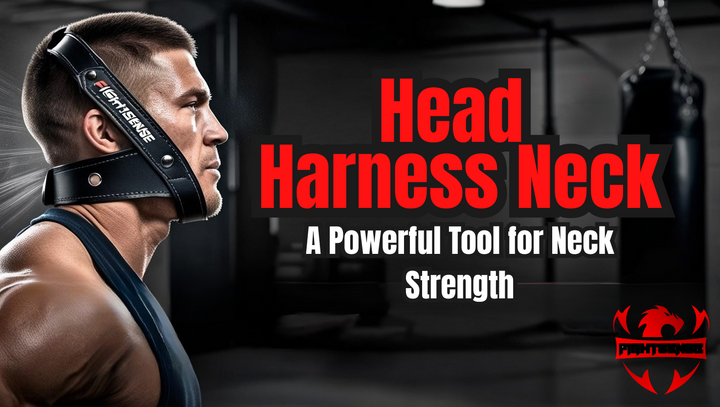
Head Harness Neck: A Powerful Tool for Neck Strength
8th Apr 2025
A strong neck improves posture, stability, and overall athletic performance. Many people now use a head harness neck training tool because it delivers safe and targeted resistance for building muscle. Whether you train for sports, fitness, or general strength, a harness can help you grow faster.
It supports controlled movements without straining the spine. With the right form, this simple tool becomes one of the most effective ways to strengthen your neck.
Keynotes
- Particularly in the neck, the head harness tones the muscles there.
- Your balance can be improved and your neck kept steady with a neck head harness.
- Regular head brace neck wear helps you prevent neck injuries.
- Routine and training objectives can be derived from the neck harness in several ways.
- Use the correct form always when wearing a head strap neck to prevent injury.
What is a Head Harness Neck?
Designed specifically to strengthen and stabilize your neck, a head harness is a piece of equipment. Wearing the harness around the head, the weight is connected to. This allows the individual to engage in neck-strengthening activities, a neglected portion of the neck most of the time.
The neck harness allows you to perform front and back lifts, side bends, and neck extensions among other routines. These exercises target several neck muscles that are vital for maintaining excellent posture, enhancing athletic performance, and reducing neck injury risk.
Benefits of Using a Head Harness
- Prevents Injury: Particularly in contact sports like football and rugby, using a neck harness to build the muscles in your neck can help prevent damage.
- Improves Posture: Strong neck helps to maintain the spine in the proper alignment, thereby improving posture and reducing neck discomfort.
- Increases Strength: Regular training using the head harness increases the muscles in your neck, enhancing your general strength and performance.
- Boosts Performance: Strong necks are crucial for athletes in sports including boxing, wrestling, and weightlifting that call for steady heads.
- Rehabilitation: The neck harness can also aid in recovery and rehabilitation for individuals recovering from neck injuries.
How to Use the Head Harness for Maximum Benefit
Correct use of the head harness neck requires a few simple but crucial actions. Check first that the harness comfortably and firmly fits around your head. Add then a weight appropriate for your degree of activity. Start with little weights and concentrate on moving carefully to help reduce strain.
Movements include front lifts, side-to-side bends, and neck extensions. Make sure your motions are gradual, methodical, and under your full control to maximize outcomes and reduce your chance of harm.
Tips for Success with the Neck Harness
- Start with Light Weights: To ensure you are using the neck harness correctly and properly, always start with smaller weights if using it for the first time.
- Increase Gradually: Gradually add more weight to keep things interesting as your neck's muscles grow stronger.
- Maintain Proper Form: Maintaining good form can help you to prevent injury by means of regulated actions and straight back.
- Stay Consistent: For optimum results, keep with it two to three times a week neck workouts in your regimen.
- Rest and Recover: After intense exercise, your neck muscles require time to recuperate; hence, be sure you allow them ample time to rest
Versatility of the Neck Head Harness
One can apply the neck harness for purposes other than only exercising. One can combine it with a lot of other exercise regimens. For those who have injured their necks, for instance, it might be included into motions to aid in recovery.
Strong necks are crucial for steadiness and power in sports such boxing, wrestling, and martial arts, thus it may also help you perform better in those activities. Anyone who wishes to improve their neck should definitely have the head harness neck since it may be utilized with several training programs.
How to Use a Head Harness for Neck Training Safely
- Start with light weights to learn form
- Avoid fast or jerky movements
- Keep your back straight and your core tight
- Increase resistance slowly
- Perform controlled reps to reduce strain
How the Neck Harness Neck Helps Prevent Injuries
Strong neck is essential to avoid injury, particularly in sports or physical activity involving contact or lifting large objects. The neck harness strengthens the muscles supporting the neck and spine, therefore reducing the likelihood of strains, sprains, and other mishaps.
Regular use of the head harness neck can help the muscles in your neck to be not only strong but also flexible and less prone to get injured during vigorous physical activity.
Tips to Maximize Your Training Results
- Train 2 to 3 times a week
- Add warm-ups before every session
- Keep your movements slow and controlled
- Pair training with upper back work
- Track your progress regularly
Shop Now!
Conclusion
A head harness neck trainer is one of the most effective tools for building neck strength safely. It supports controlled resistance, helps prevent injuries, and improves stability. With the right technique, you can grow stronger while enhancing your posture and athletic performance.
Whether you’re an athlete or a fitness beginner, this tool delivers real, noticeable results. Consistent training can transform your neck strength over time.
Disclaimer
Always consult a fitness or medical professional before starting any new exercise routine. Using a head harness neck device improperly may result in injury.
FAQs
1. Is a head harness neck trainer safe for beginners?
Yes, if you start light and focus on proper form.
2. How often should I train my neck?
Two to three sessions per week are enough for good results.
3. Can a harness help reduce neck pain?
Strengthening your neck can improve posture and reduce pain over time.
4. What muscles does a harness target?
It works the front, back, and sides of the neck, along with stabilizers.
5. Do athletes use head harness tools?
Yes, especially fighters, wrestlers, and football players.