
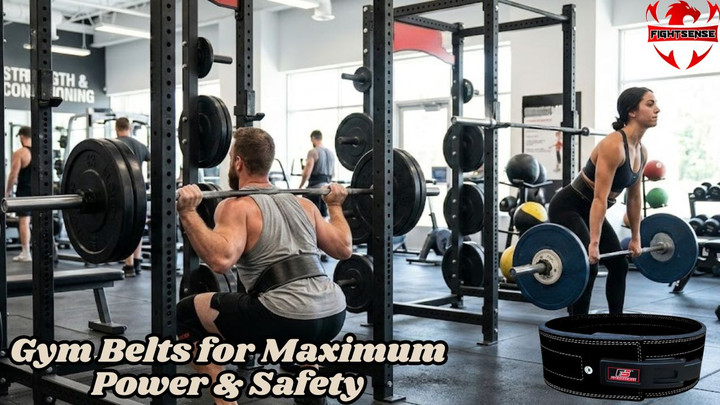
Gym Belts for Maximum Power & Safety
28th Feb 2025
Gym belts are an essential accessory for anyone serious about strength training and weightlifting. They provide critical support to your lower back and core, helping you lift heavier, improve form, and reduce injury risk.
Whether you are a beginner or an experienced lifter, understanding how to use a gym belt correctly can maximize your power and safety during workouts.
Key Highlights:
-
A gym belt improves core stability and prevents injuries.
-
Essential for weightlifting, powerlifting, and bodybuilding.
-
Women’s gym belts offer a contoured fit for comfort.
-
Different belts suit different training styles—choose wisely.
-
Proper gym belt exercises enhance lifting performance and safety.
What is a Gym Belt and Why You Need It?
A gym belt, also known as a weightlifting belt, is designed to support the spine and core during heavy lifts. By increasing intra-abdominal pressure, it stabilizes your torso, improves posture, and protects your lower back from strain.
Key Benefits:
-
Enhances core stability during lifts
-
Reduces risk of lower back injuries
-
Boosts lifting performance
-
Improves posture and balance
Proper use of a gym belt allows lifters to push their limits safely and efficiently, giving them confidence while performing demanding exercises like squats, deadlifts, and overhead presses.
Benefits of Using a Gym Belt:
1. Increased Core Stability:
Gym belt enhances intra-abdominal pressure, providing a strong base for heavy lifting and reducing spinal stress.
2. Injury Prevention:
By maintaining proper posture and alignment, a gym belt minimizes lower back strain and prevents common lifting injuries.
3. Enhanced Lifting Performance:
A gym belt allows weightlifters to generate more power by improving form and preventing excessive movement.
4. Better Posture & Balance:
Using a gym belt encourages proper posture, which helps execute lifts safely and efficiently.
Top Exercises to Try with Gym Belts:
Using gym belts during your workouts can help improve form, stability, and overall performance in key exercises:
-
Squats: Provides essential lower back support for deep squats with heavy weights.
-
Deadlifts: Maintains proper spinal alignment and reduces injury risk.
-
Overhead Press: Stabilizes the core and prevents excessive back arching.
-
Bench Press: Enhances core engagement and promotes better posture.
-
Lunges: Keeps the core tight and protects the lower back throughout the movement.
Choosing the Right Gym Belt for Weightlifting & Women:
When selecting the best gym belt for weightlifting, consider the following factors:
-
Material: Leather belts provide maximum support, while nylon belts offer flexibility.
-
Width: A wider belt (4-6 inches) offers better stability.
-
Closure System: Velcro straps allow quick adjustments, while buckle closures offer durability.
-
Comfort & Fit: Ensure the belt fits snugly without restricting movement.
For female lifters, a women’s gym belt is designed with a contoured shape to fit the waist comfortably without causing discomfort.
Gym Belts: Proper Use and Who Should Wear Them:
A gym belt should be worn just above the hip bones and tightened securely without restricting breathing, while engaging the core before lifting. It is best used for heavy exercises to provide support without over-reliance. Different lifters have different needs.
bodybuilders use belts for posture and core engagement, powerlifters prefer stiff belts for heavy loads, and casual gym-goers benefit from flexible belts for moderate training. For men, a gym belt helps support the lower back, improve posture, reduce injury risk, and enhance performance during intense lifts.
Common Mistakes Lifters Make with Weightlifting Belts:
Even experienced lifters can misuse gym belts, which reduces their effectiveness and may even increase injury risk. Some common mistakes include:
-
Wearing the Belt Too Low or Too High – Positioning the belt incorrectly can fail to support the core or strain the lower back. It should sit just above your hip bones.
-
Overtightening the Belt – A belt that’s too tight can restrict breathing, reduce movement, and decrease lifting efficiency.
-
Using the Belt for Every Lift – Belts are meant for heavy or maximal lifts, not warm-ups or light exercises. Overreliance can weaken natural core strength.
-
Neglecting Core Training – Belts support your core but don’t replace it. Failing to strengthen core muscles alongside belt use can limit performance.
-
Ignoring Proper Technique – Wearing a belt won’t fix poor lifting form. Always focus on posture, alignment, and controlled movements.
By avoiding these mistakes, lifters can maximize safety, boost performance, and get the most benefit from their gym belt.
Maximize Safety and Performance in Every Lift:
Having the right equipment can take your workouts to the next level. Fightsense offers high-quality sports and weightlifting gear, including durable belts and supportive accessories, designed to improve performance, stability, and safety.
Whether you’re lifting heavier, focusing on form, or aiming for better results, incorporating Fightsense products into your training routine ensures you stay protected while pushing your limits. With the right gear, every lift becomes safer and more effective.
Shop Now !
Final Thoughts:
A gym belt is essential for anyone serious about weightlifting and bodybuilding. It improves performance, prevents injuries, and supports the core during challenging exercises. Choosing the right gym belts can significantly impact your training progress, whether a beginner or a professional.
Disclaimer:
This blog is for informational purposes only. Always consult a fitness professional before incorporating a gym belt into your routine. Proper usage and technique are crucial for effectiveness and safety.
FAQs:
1. How does a gym belt improve lifting stability?
A gym belt increases intra-abdominal pressure, which stabilizes your spine and core. This helps maintain proper form and balance during heavy lifts like squats and deadlifts.
2. Can beginners safely use a gym belt?
Yes. Beginners can benefit from wearing a belt during heavy exercises, as it supports the lower back while they learn proper lifting techniques.
3. Are gym belts necessary for all types of lifts?
Not always. Belts are most beneficial for heavy compound movements. Light or moderate exercises usually don’t require a belt and should focus on natural core engagement.
4. How do I know if my gym belt fits correctly?
A well-fitted belt sits just above your hip bones, allows core engagement, and is snug but not restrictive. You should be able to breathe comfortably while maintaining proper posture.
5. Do men and women use gym belts differently?
The principles are the same, but women may prefer contoured belts for a more comfortable waist fit. Both genders use belts to support the spine and improve lifting safety.
6. Can using a gym belt increase my lifting performance?
Yes. By enhancing core stability and reducing excessive movement, gym belts allow lifters to generate more power, maintain form, and safely lift heavier weights.