
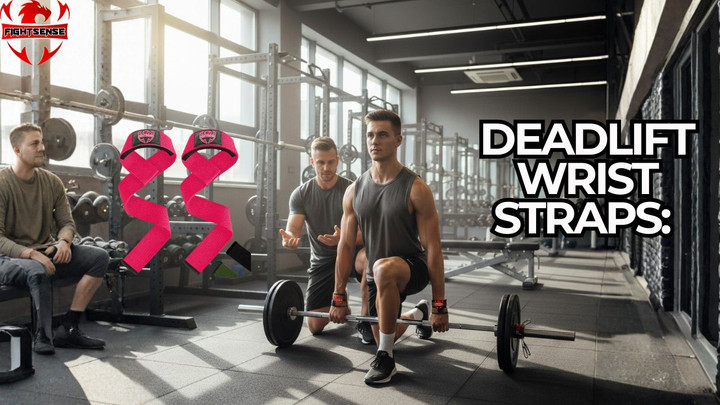
Deadlift Wrist Straps: Game Changer or Crutch
6th Mar 2025
Deadlift wrist straps can be a game-changer for serious lifters. The deadlift demands both strength and focus—with the roar of effort and the crash of plates—but often, your grip strength is what limits how much you can lift .
Wrist straps spark debate: are they a legitimate performance booster, or just a crutch? When used correctly, they allow you to push past your limits while maintaining proper form and reducing strain on your hands and forearms.
Keynotes:
-
Deadlift wrist straps are tools, not replacements for natural grip strength.
-
Proper application is essential for safety and effectiveness.
-
Combine strap usage with grip-focused exercises to build long-term strength.
-
Avoid over-reliance and always prioritize proper form.
-
Choose the right type of strap for your lifting style and comfort.
Why Deadlift Wrist Straps Help You Lift Heavier:
A strong grip is crucial for deadlifts, but even seasoned lifters often hit a wall when their hands give out before their muscles do. That’s where wrist straps come in. By creating a secure connection between your hands and the barbell, they help transfer force from your fingers to your wrists, letting you lift heavier without compromising form.
Wrist straps also reduce fatigue in your forearms and fingers, letting you focus on your back, legs, and core during heavy pulls. Over time, this can help improve your overall lifting performance and confidence in the gym. Used correctly, deadlift wrist straps aren’t a shortcut—they’re a tool to maximize your strength safely.
How to Use Wrist Straps for Deadlifts Correctly:
Mastering wrist straps is key to getting the most out of your deadlift:
1. Placement: Slide the straps over your wrists so they’re snug but not too tight—comfortable enough to move without cutting off circulation.
2. Wrapping: Loop the strap around the barbell, wrapping it tightly to create a secure connection between your hands and the bar.
3. Grip: Hold the bar firmly, making sure the straps are taut and supporting your grip.
4. Lift: Execute the deadlift with proper form, focusing on smooth, controlled movement rather than relying solely on the straps.
Using them this way ensures you lift safely while maximizing your pulling power. Wrist straps should support your strength, not replace good technique.
Game Changer: The Benefits of Deadlift Wrist Straps:
Lifting wrist straps have the following benefits when used properly:
-
Increased Lift Capacity: You may lift larger weights and get greater muscle activation and strength increases by removing grip as a limiting factor.
-
Increased Focus: By maintaining a firm grip, you can focus on using the right form and technique, which will increase the efficiency of each repetition.
-
Reduced Grip Fatigue: This speeds up progress by enabling you to work out with greater volume and intensity.
-
Improved Mind-Muscle Connection: By concentrating on the lift rather than the grip, one might become more conscious of their working muscles.
The Crutch Argument: Potential Drawbacks:
However, over-reliance on deadlift wrist straps can hinder natural grip development.
-
Reduced Grip Strength: Failing to practice natural grip training can cause a dependence on straps, so it becomes challenging to lift without them.
-
Poor Technique: Straps are used by some lifters to make up for bad form, which can put them at higher risk for injury. It is important to learn how to deadlift with wrist straps correctly.
-
Psychological Dependence: Excessive dependence can give rise to a mental block, so it's hard to advance without straps.
Finding the Balance: When to Use Deadlift Wrist Straps:
Finding the balance with Lifting wrist straps involves strategic implementation, not blanket usage. Reserve them for those grueling heavy sets where grip genuinely becomes the limiting factor, hindering your ability to complete the lift.
Utilize them to push past plateaus and maximize muscle engagement, but don't neglect the importance of natural grip development. Lighter warm-up sets and accessory exercises should focus on strengthening your grip without the aid of straps.
This balanced approach ensures you reap the benefits of increased lifting capacity while maintaining and improving your natural grip strength, preventing dependence and fostering long-term progress.
Lift Safer with Fightsense Deadlift Straps:
Fightsense, a leading brand in sports and weightlifting gear, provides deadlift wrist straps that deliver superior grip and wrist support for heavy lifts. Made from durable, high-quality materials, they offer a secure hold without sacrificing comfort—perfect for beginners and experienced lifters alike.
Fightsense also offers wholesale options for gyms and retailers. These straps help you maintain proper form, lift heavier, and reduce wrist fatigue for safer, more effective workouts.
Key Benefits:
-
Stronger Grip – Secure hold for confident lifting.
-
Wrist Stability – Reduce strain and prevent injuries.
-
Durable Comfort – Built to last and feel great during long sessions.
FAQs:
1. Do deadlift wrist straps make lifting easier?
Yes, wrist straps help reduce grip fatigue by transferring force from your fingers to your wrists, allowing you to lift heavier safely. However, they don’t replace proper form or natural grip strength.
2. Can beginners use wrist straps?
Absolutely! Beginners can benefit from straps during heavier lifts, but it’s important to also practice grip-strengthening exercises to build long-term hand and forearm strength.
3. How often should I use deadlift wrist straps?
Use them strategically—primarily for heavy sets where grip limits your performance. Avoid using them on every set to prevent dependency and ensure natural grip development.
4. Can wrist straps cause injury?
When used correctly, wrist straps are safe. However, improper wrapping or relying on them to mask poor form can increase the risk of wrist or back injuries.
5. What’s the difference between wrist straps and lifting gloves?
Wrist straps focus on supporting your grip and lifting heavier loads, while gloves primarily protect your hands from calluses and provide general comfort. Straps directly enhance lifting performance.
Conclusion:
Deadlift wrist straps aren’t inherently good or bad—their value depends on how you use them. When applied strategically, they help overcome grip limits, boost strength, and enhance muscle growth. Over-reliance, however, can hinder natural grip development and mask technique flaws. The key is balance: use straps to supplement—not replace—grip training for safer, smarter, and more effective lifting.
Disclaimer:
This content is for informational purposes only and not medical or fitness advice. Using wrist straps or lifting weights carries risks—consult a professional trainer or healthcare provider before starting.