
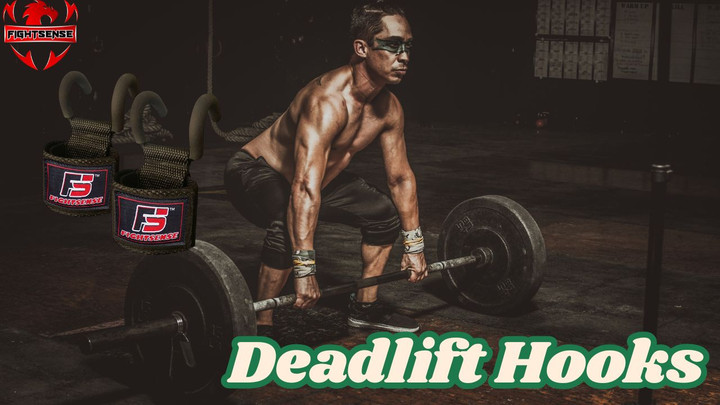
Deadlift Hooks: Elevate Your Grip Strength and Performance
17th Apr 2025
Deadlift Hooks are a fundamental strength training accessory for lifters who struggle with grip fatigue during heavy pulls. Deadlifts are a fundamental strength exercise, yet many lifters experience grip fatigue before fully challenging their muscles. This is where lifting hooks come in.
They provide a secure hold on the barbell, allowing you to focus on lifting heavier weights without worrying about grip failure. In addition, hook grip straps offer added wrist support, making your lifts safer, more stable, and more effective.
Key Highlights:
-
Deadlift hooks provide a secure grip, reducing the risk of bar slippage during heavy lifts
-
Hook grip deadlift straps offer added wrist support for improved comfort and performance
-
Both tools help you lift heavier by minimizing grip limitations
-
The choice between them depends on individual lifting goals and personal preference
-
Ideal for heavy pulls, shrugs, and high-volume deadlift sessions where grip fatigue is a limiting factor
Why Deadlift Hooks Are a Game-Changer for Heavy Lifting:
Deadlift hooks are grip-supportive tools that help lifters handle heavier weights by reducing hand fatigue during pulling exercises. With a strong metal hook and padded wrist straps, they provide a secure hold on the barbell while improving wrist stability.
This allows you to focus on proper form and target muscles like the back and hamstrings more effectively, making heavy lifts safer and more efficient.They are especially useful for high-intensity training sessions where grip strength often limits performance. By minimizing the risk of bar slippage, they also help boost confidence and overall lifting performance.
Key Benefits of Using Deadlift Hooks:
1. Reduced Grip Fatigue: They decrease strain on the hands and fingers, allowing you to focus more on proper lifting technique.
2. Heavier Weight Support: Provide a secure grip on the barbell, making it easier to lift heavier loads safely.
3. Improved Comfort: Designed to be easy on the hands and wrists, especially during intense or high-volume workouts.
4. Better Workout Efficiency: Help you complete more reps without grip failure limiting your performance.
5. Beginner-Friendly: Simple and quick to use, requiring minimal setup or experience.
Tips for Using Lifting Hooks Effectively:
To get the most out of deadlift hooks, ensure they are properly secured around the barbell and your wrists before each lift. Start with moderate weights to get used to the feel, and gradually increase the load as your confidence grows.
Pairing hooks with correct lifting form and controlled movements can prevent injuries, improve stability, and help you maximize muscle engagement during heavy pulling exercises.
Why Lifters Choose Deadlift Hooks:
Many lifters turn to deadlift hooks to safely increase their lifting capacity. They allow you to lift heavier weights without worrying about hand fatigue, making workouts more efficient. Whether you’re training for strength, size, or endurance, hook and loop straps help improve performance, protect your wrists, and make challenging pulls more manageable.
Fitness‑Approved Gear from Fightsense:
Deadlift hooks are trusted by fitness enthusiasts and strength athletes alike because they deliver reliable support exactly when it’s needed most. When incorporated into a well‑rounded training routine, these hooks help reduce grip fatigue and improve lifting performance, making workouts more productive and confidence‑boosting.
Fightsense is a reliable brand known for providing high‑quality sports and weightlifting equipment, so you can train harder and with greater peace of mind knowing your gear is built for real fitness challenge
Conclusion:
Your lifting performance will be much improved by including deadlift hooks or hook grip and deadlift straps into your program. These devices assist you to overcome grip restrictions by offering a safe grasp and extra wrist support, thereby enabling you to concentrate on lifting bigger weights and building your general strength.
Disclaimer:
This blog's content is meant for educational only use. Before altering your training program, always speak with a qualified trainer or medical practitioner.