
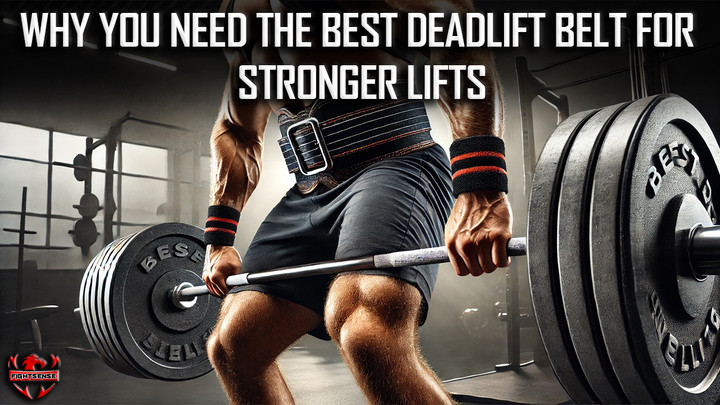
Why You Need the Best Deadlift Belt for Stronger Lifts
28th Feb 2025
For serious weightlifters and strength athletes, every piece of equipment matters. One essential tool for deadlifting is the deadlift belt. While not everyone uses a lifting belt for deadlift exercises, many find it a game-changer for performance and safety. Whether lifting heavy in the gym or prepping for a powerlifting competition, the right deadlift belts can make all the difference.
Key Highlights:
-
A deadlift belt improves core stability and performance.
-
It helps prevent lower back strain during heavy lifts.
-
Choose a deadlifting belt based on material, thickness, and fit.
-
Deadlifting with a belt helps increase lifting capacity and reduce injury risk.
-
The best deadlift belts come from reputable brands and are designed to be durable.
What Is a Deadlift Belt?
A deadlift belt is designed to support the core and lower back during heavy lifts like deadlifts. Made of durable materials, such as leather or nylon, a belt for deadlift helps stabilize the spine and abdominal area by increasing intra-abdominal pressure. This pressure creates more support, which reduces the risk of injury and improves your lifting performance.
Many athletes also use a deadlifting belt for squats and other heavy lifts, but it’s most commonly associated with deadlifts because of the specific strain they place on the lower back.
Why Should You Use a Deadlift Belt?
1. Better Core Stability:
A deadlift belt helps increase intra-abdominal pressure, acting like a brace for your spine. This added support lets you lift heavier while keeping your form intact.
2. Injury Prevention:
Wearing a lifting belt for deadlift reduces strain on your lower back by aligning your spine. It’s crucial for preventing injuries when lifting heavy weights.
3. Boosted Performance:
Many lifters notice they can lift more weight when using a deadlifting belt. The extra core support translates into better control and force transfer, helping you break past plateaus.
4. Improved Posture and Form:
A deadlift belt encourages proper posture by engaging your core, preventing back rounding. This makes your technique safer and more effective, especially when lifting heavy.
How to Choose the Best Deadlift Belt:
Build Quality and Design:
Material, width, and thickness determine how supportive a deadlift belt will be. Leather belts provide maximum durability and stability for heavy lifting, while nylon belts are lightweight and flexible. A standard 4-inch width works best for lower-back support, with 10mm thickness for versatility and 13mm for maximum rigidity.
Fit, Comfort, and Closure:
A proper fit is essential for performance and safety. Measure your waist and choose a belt that feels snug but comfortable. Buckle closures offer strong support for heavy lifts, while Velcro closures allow quick adjustments. Padding can also improve comfort during longer workouts.
Performance, Features, and Trust:
Choose a reliable brand with good reviews and a solid warranty. Adjustable sizing and design options add convenience and style. Whenever possible, try the belt to ensure it feels right during lifts.
Benefits of Deadlifting with a Belt:
1. Prevents Lower Back Strain:
Deadlifting with a belt supports your lower back, which is particularly vulnerable during heavy lifts. It reduces strain on the spinal column and stabilizes the muscles surrounding it, decreasing the risk of injury.
2. Increased Lifting Capacity:
By providing better support to your core, a lifting belt for deadlift helps you push through heavier lifts. This can lead to faster progress and help you reach your goals more effectively.
3. Consistent Performance:
Using a deadlifting belt can give you consistency in your lifts. Since the belt helps stabilize your core, you can maintain more control over your movements, leading to more consistent performance.
When Should You Start Using a Deadlift Belt?
A deadlift belt is most beneficial once you begin lifting heavier weights that challenge your core and lower back. Beginners should first focus on mastering proper deadlift form and building natural core strength before relying on a belt.
As loads increase and training intensity rises, adding a deadlifting belt can provide extra support, reduce fatigue, and help maintain safe lifting mechanics. Using a belt strategically—during heavy sets or max-effort lifts—allows you to gain protection and performance benefits without becoming overly dependent on it.
Shop Now !
Conclusion:
A deadlift belt is an essential tool for many lifters, helping provide extra support, improve performance, and reduce the risk of injury. Whether new to lifting or an experienced powerlifter, a deadlifting belt can enhance your training and help you achieve your lifting goals. When choosing the best deadlift belt, consider material, width, and fit to ensure it meets your needs. You can lift more safely and effectively with the right belt for deadlifting.
FAQs:
1. What is a deadlift belt?
A deadlift belt is a supportive piece of equipment worn around the waist during deadlifts to provide core stability and lower back support.
2. Do I really need a deadlift belt?
While not necessary for every lifter, a deadlift belt can benefit those lifting heavy weights or working to increase their personal best. It helps with core stability and reduces the risk of injury.
3. Can I deadlift without a belt?
Yes, you can deadlift without a belt, but a belt for deadlifting helps provide extra support when lifting heavy weights. It’s especially useful for powerlifters and athletes aiming for maximum performance.
4. What’s the best deadlift belt for beginners?
For beginners, a lifting belt for deadlift made from flexible, lightweight materials such as nylon or a thinner leather belt may be a great choice. It offers support without restricting movement.
5. Can deadlifting with a belt improve my performance?
Yes, using a deadlift belt can improve your performance by offering better core support, allowing you to lift heavier weights with more control and less risk of injury.
Disclaimer:
The information provided in this blog is for educational purposes only. Always consult a fitness professional before using new equipment or significantly changing your workout routine.