
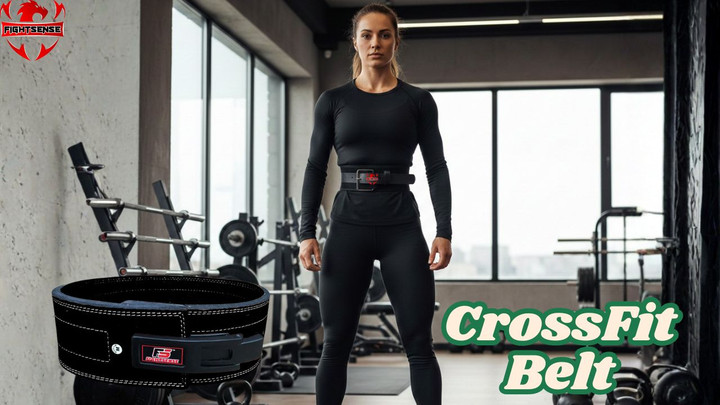
CrossFit Belt: Max Performance & Strength Gear
15th Mar 2025
CrossFit Belt is a staple in any serious gym-goer’s arsenal. If you have visited a CrossFit gym, you’ve likely seen athletes lifting heavy while wearing a weightlifting belt. But what exactly is a lifting belt, and how can it enhance your performance?
A workout belt provides essential support for both safety and strength, no matter your experience level in lifting or functional training.Let’s break down how using a lifting belt can boost your exercises and protect your body from strain and injury.
Key Highlights:
-
CrossFit belts aid in preventing injury by providing essential support during heavy lifting and demanding workouts.
-
A CrossFit weightlifting belt helps with posture, core stability, and lifting performance enhancement.
-
Olympic lifting, weightlifting, and high-intensity exercises like WODs all depend on the CrossFit lifting belt.
-
For best comfort and support, choose a belt made of durable material such as leather or nylon that fits well.
-
Anyone committed to lifting and strength training has to have a CrossFit weight belt.
The Ultimate Guide to Using a CrossFit Belt:
During high-intensity exercises, a CrossFit belt is meant to give additional support around your waist, thereby stabilizing your core and lower spine. Usually more flexible and stronger than standard belts, these belts help the spine more effectively.
When doing lifts like squats, deadlifts, cleans, and jerks, a CrossFit lifting belt helps you activate your core correctly and preserve better posture, thereby lowering your chance of strain or injury.
What Does a lifting Belt Do?
The main function of a CrossFit belt is to support your body during heavy lifts by improving posture and stabilizing the core. Here’s how it works:
-
Supports Your Core: A CrossFit weightlifting belt works your core, helping you to use your abdominal muscles to keep stability, which is absolutely vital for lifting large weights.
-
Protects the Spine: Provides additional back support, therefore preserving the right alignment of the spine during movements like deadlifts or squats.
-
Increases Pressure: A belt helps stabilize your torso by raising intra-abdominal pressure, so offering a strong basis from which to raise.
-
Prevents Injury: With the extra help, one lowers their chance of damage, particularly in demanding and heavy motions.
When to Use a workout Belt: Maximize Safety & Strength:
Wondering when to wear a CrossFit belt? Whether you’re lifting heavy or performing high-intensity moves, a weightlifting belt can significantly enhance your performance. Here’s how to use it effectively based on your workout:
Heavy Lifting: For exercises like squats, deadlifts, or bench presses, a lifting belt secures your lower back and helps maintain proper posture throughout challenging sets.
Olympic Lifting: During explosive movements like the clean and jerk or snatch, a CrossFit workout belt stabilizes your core and supports controlled, high-speed lifts.
How to Choose the Right Lifting Belt
Choosing the right weightlifting belt is essential for improving performance while keeping your body safe. Leather belts are ideal for heavy lifting because they provide maximum support for deadlifts, and bench presses, while nylon belts are lighter and more flexible, making them perfect for dynamic or high-intensity movements.
Fit and comfort are crucial—the belt should sit snugly around your waist, tight enough to stabilize your core but not so tight that it restricts breathing or movement. Additionally, width matters; most belts measure around 4 inches, offering extra lower-back support to help maintain proper posture throughout demanding lifts.
Lifting Belt Tips for Maximum Gains:
-
Warm Up First – Prep muscles before heavy lifts.
-
Use Wisely – Wear only for your toughest sets.
-
Engage Core – Brace actively, don’t rely solely on the belt.
-
Adjust Tightness – Comfort + support in every set.
-
Maintain Your Belt – Keep it clean and conditioned.
-
Prioritize Form – Technique always comes first.
Upgrade Your Lifts with Fightsense:
Integrating a weightlifting belt with Fightsense technology takes your workouts to the next level. This advanced system helps monitor your lifting form, core stability, and posture in real-time, allowing you to maximize gains while reducing the risk of injury.
Whether you’re performing squats, deadlifts, or high-intensity WODs, combining a sturdy belt with Fightsense feedback ensures every rep is safe, effective, and perfectly aligned.
FAQs:
1. What is a lifting belt used for?
During heavy lifts, a weightlifting belt provides crucial support to your lower back and core, helping maintain proper posture and reducing the risk of strain or injury.
2. How does a training belt work?
It increases intra-abdominal pressure, stabilizing your spine and core, which allows you to lift heavier weights safely and efficiently.
3. Should I wear a lifting belt for every session?
Not necessarily. Belts are most effective during intense lifts or high-load exercises where extra stability and back support are required.
4. Can a workout belt improve my lifting performance?
Absolutely. It encourages correct form, enhances core engagement, and enables you to handle heavier weights, improving overall strength and efficiency.
5. How do I select the right belt for training?
Focus on material, fit, width, and closure type. A snug yet comfortable fit ensures maximum support, while durable leather or flexible nylon belts cater to different lifting styles.
Conclusion:
Whether you're lifting heavy or training through demanding WODs, including a CrossFit belt into your program can change everything. Your back and core's additional help lets you securely execute big lifts, lower your chance of injury, and eventually improve your performance.
Disclaimer:
This blog provides broad CrossFit belt recommendations. See a competent trainer to be sure you are using the correct tools and method for your particular requirements.