
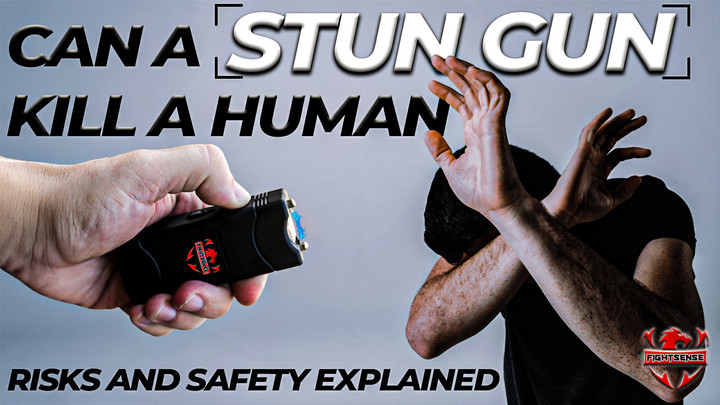
Can stun gun kill or knock you out? Taser safety
30th Nov 2024
Can a Stun Gun Kill a Human? When it comes to personal defense tools, stun guns are often one of the most widely discussed options. Many people are curious about their actual impact and wonder whether they can be lethal. In this article, we’ll break down how stun guns work, the potential risks involved, and whether these devices pose any life-threatening dangers when used in real-world situations.
Key Highlights:
-
Stun guns are meant to disable temporarily, not kill.
-
People with heart issues or pacemakers face higher risks.
-
Using them near water or on sensitive areas increases danger.
-
Proper use and avoiding long shocks reduce risks.
-
When used correctly, stun guns are generally safe and non-lethal.
Explaining What a Stun Gun Is and How It Works:
A stun gun is a compact self-defense device designed to deliver a high-voltage, low-current electric shock that temporarily incapacitates a person. By interfering with the communication between the brain and muscles, it causes loss of coordination, muscle control, and balance.
Stun guns are commonly used by civilians for personal protection and by security professionals for non-lethal enforcement. Modern stun guns often come with additional features such as built-in flashlights, safety switches, and rechargeable batteries for enhanced convenience and safety.
How a Stun Gun Functions in Real Situations:
A stun gun works by emitting a powerful electric charge that overwhelms the body’s nervous system. When the device makes contact, it interrupts normal neuromuscular function, leading to temporary paralysis, confusion, and disorientation. The shock usually lasts only a few seconds, but it is strong enough to give the user time to escape or gain control of the situation.
Most stun guns are designed with safety mechanisms to prevent accidental discharge, and the effectiveness can vary based on voltage, contact duration, and the placement on the attacker’s body.
Can a Stun Gun Kill a Human?
The big question many people ask is whether a stun gun can actually kill someone. In most cases, the answer is no—fatalities are extremely rare. Stun guns are designed to deliver an intense electric shock that causes pain, muscle contractions, and temporary loss of control, but not permanent injury. Their voltage is intended to incapacitate, not to be lethal. However, no self-defense tool is entirely risk-free.
In certain situations—such as when the person has pre-existing heart conditions, uses a pacemaker, is exposed to prolonged or improper use, or if the shock is applied to sensitive areas—the risk of severe injury or even death, though rare, can increase. While fatalities remain uncommon, it’s crucial to follow proper usage and safety protocols to minimize these risks.
Key Research Findings on Stun Gun Safety:
- Rare Fatalities: Though non-lethal, stun guns have been linked to occasional deaths, especially when misused.
- Heart Risks: Shocks near the chest can rarely trigger cardiac arrest.
- Avoid Chest Area: Aim away from sensitive zones like the chest, neck, and head.
- Know Emergency Signs: Seek immediate help if someone shows distress after a shock.
- Use Responsibly: Staying informed ensures safer and more effective use.
Factors That Can Increase the Risk of Harm:
- Pre-existing medical conditions: People with heart problems, particularly those with pacemakers, may be at a higher risk of serious injury.
- Prolonged exposure: A longer shock duration can increase the risk of severe physical harm.
- Wrong usage: Incorrect use or targeting vital areas like the chest or head can have more dangerous consequences.
- Overexposure: Explain how prolonged exposure to a stun gun (i.e., multiple seconds of continuous shock) could elevate risks, leading to more severe muscle spasms or even fatal arrhythmias in rare cases.
- Environmental risks: Discuss the added danger of using a stun gun near water or in wet conditions, where electrical conductance increases, heightening the risk of injury.
Why Stun Guns Are Essential for Personal Protection:
Stun guns play a crucial role in self-defense by providing a non-lethal way to incapacitate an attacker temporarily. When used correctly—aiming for larger muscle areas like the torso and applying short bursts instead of prolonged shocks—they are generally safe and effective. However, legal regulations vary widely by country and state, so it’s essential to check local laws before carrying or using a stun gun.
In places where stun guns are restricted, alternatives such as pepper spray, personal alarms, or tactical flashlights can offer reliable protection. Stay safe and confident by choosing the right self-defense tools for your needs.
Safety Tips for Using a Stun Gun:
- Avoid Overuse: Limit shock duration to prevent severe or unintended harm.
- Target Proper Areas: Aim for the attacker's torso, avoiding the head, neck, or chest to minimize life-threatening risks.
- Maintain Awareness: Only use a stun gun in self-defense, staying calm and focused to maximize effectiveness.
- Regular Training: Familiarize yourself with the device's operation and practice regularly for quick, confident use.
- Battery Maintenance: Check and charge the battery frequently to ensure the stun gun is functional when needed.
- Safety First: Keep the device away from children and store it securely when not in use.
FAQS:
1. Can I legally carry a stun gun?
Laws vary by country and U.S. state, so always check local regulations before carrying one.
2. Are stun guns lethal?
No, they are designed to temporarily incapacitate, not cause permanent harm.
3. Can I take a stun gun on a plane?
Carry-on is prohibited; some airlines allow them in checked luggage if properly declared.
4. How should I use a stun gun safely?
Aim for the torso, avoid prolonged shocks, and steer clear of the head, neck, and chest.
5. What are alternatives if stun guns are banned?
Pepper spray, personal alarms, and tactical flashlights are legal self-defense options.
Conclusion:
In most cases, a stun gun cannot kill a human, as it is designed to temporarily incapacitate rather than cause fatal harm. Still, misuse or underlying health conditions can increase risks, so proper handling and safety awareness are essential.
If you plan to purchase a stun gun, buy from a reputable source and ensure it has reliable safety features. Used responsibly, it remains a safe and effective non-lethal self-defense tool.
Disclaimer:
This blog provides general information only—always consult professionals and follow local laws and safety guidelines before using any self-defense tools.