
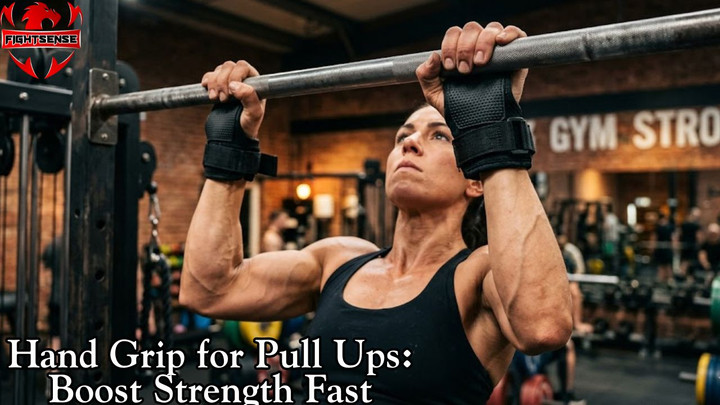
Hand Grip for Pull Ups: Boost Strength Fast
26th Jun 2025
Hand grip for pull ups is one of the most effective tools for improving your upper body strength and performance. While pull-ups themselves are a powerful exercise, many people struggle to increase their reps—not because their back or arms are weak, but because their grip fails too soon. If your hands give out before your muscles do, you’re limiting your true potential.
By using a hand grip for pull ups, you can strengthen your hands and forearms, allowing you to hold the bar longer and perform more repetitions. This leads to better endurance, improved performance, and faster strength gains.
In this guide, you’ll learn everything you need to know about grip training and how to use it effectively.
Keynotes:
What is a Hand Grip for Pull Ups?
Hand grip (or grip strengthener) is a small exercise item that helps strengthen your fingers, hands and forearms.
How it operates:
You keep squeezing the device against resistance. It builds the muscles used to grip the pull-up bar, increasing strength and endurance.
- Types of Handgrip
- Adjustable grips resistance
- Fixed resistance finger grippers
- Finger exercisers.
- Heavy Duty Metal Gripper
They all do the same thing , but each type differs in difficulty and growth.
Why Grip Strength Matters for Pull Ups:
Why It Matters for Pull Ups
In most cases, grip strength is the limiting factor for pull-ups. No matter how strong your back is, you won’t be able to do more reps if you can’t grip the bar.
Grip as a Limiting Factor
- When you do pull-ups, your hands and forearms are the first to get tired. This means you come off the bar before your target muscles are totally fatigued.
- Effects on performance and stamina
The ability to have a stronger grip allows you to:
- Bar hang longer
- More repeats
- Keep better form
- Increase the load on the back muscles
Benefits of Hand Grip for Pull-Ups Boost Pull-Up Reps:
The stronger your hands the longer you can hang on to the bar without slipping. This allows you to do more reps and train your upper body muscles fully.
Build Up Your Forearm Strength
Grip training is a direct forearm work that increases the strength of the forearm muscles. You’ll also be able to lift better in the gym if your forearms are stronger.
Improved Workout Performance
A stronger grip helps all pulling workouts like rows, deadlifts and chin-ups. This helps achieve more effective training and faster overall strength growth.
Stay safe.
A firm grasp allows you to apply less needless stress on your wrists and elbows when you exercise. This helps to keep your training constant and safe, and reduces the likelihood of injury.
How to Use a Hand Grip Effectively?
Proper technique, controlled movement, and consistency are important in order to use a hand grip for pull ups efficiently. Start with a resistance that is hard enough to give your muscles a good workout but still lets you do each rep in full control. Don’t rush. Squeeze the grip slowly and hold for 2-3 seconds. This will maximize muscle activation in your hands and forearms . Train 3–5 times a week so your grip develops stronger without overtraining.
Pair your grip training with pull-up workouts such as dead hangs or assisted pull-ups for greater and faster results. Here’s how you translate your grip strength into genuine performance. As you get stronger, gradually increase the resistance, reps, or hold duration so you can keep growing and not hit a plateau.
Top Exercises to Enhance Grip Strength:
Dead Hangs
Hang from a pull-up bar as long as you can without dropping. This exercise increases grip endurance and helps your hands adjust to holding your bodyweight.
Farmer’s Walk
Hold a hefty weight in each hand and walk a certain distance or duration. This will help you grip stronger when you actually load, and help you with your overall strength and stability.
Chins (Towel Grip)
Wrap a towel around the pull-up bar and grip it to do pull-ups. This makes it harder with your grip muscles having to work considerably harder.
Hand Grip Squeeze
Use your hand grip trainer regularly with controlled squeezes and holds. This immediately targets your fingers and forearms and helps you build strength faster.
Who Should Use Hand Grip for Pull Ups?
Hand grips are beneficial for:
- Beginners struggling with pull-ups
- Gym-goers aiming to increase reps
- Athletes needing stronger grip
- Home workout enthusiasts
No matter your fitness level, grip training can help you progress faster.
Affordable Option for Grip Strength Training:
If you’re looking to develop your grip strength but you’re on a budget, there are many of easy grip training products accessible in the fitness market. These fundamental hand exercisers are made to strengthen your fingers, hands, and forearms, which helps immediately enhance pull-up performance over time.
Regular training with these instruments helps improve grip endurance, control, and total upper body strength. Among many other alternatives, some companies like Fightsense are widely encountered in this area. However, the most crucial consideration is to choose a comfortable resistance level that meets your training goals. Best benefits will be obtained with consistent use, regardless of brand.
Conclusion:
If you want to get better at pull-ups in a short amount of time, you have to work on your grip. A hand grip for pull ups is a basic yet powerful item that can change your training results.
Incorporating grip exercises into your regimen can strengthen your hands and improve your endurance so you can do more pull-ups with the right form.
Disclaimer:
This information is just designed to be useful. Before starting a new workout plan, you should always talk to a fitness expert.
FAQS:
1. How soon can I improve grip strength?
Usually within 2–4 weeks of consistent training, with bigger results in 4–8 weeks.
2. Does grip training increase pull-up performance?
Yes, it helps you hold the bar longer and do more reps, especially when combined with pull-ups.
3. Should I train grip before or after workouts?
After workouts it is better to avoid fatigue during main exercises.
4. How often should grip training be done?
3–5 times per week is ideal, with rest days for recovery.