
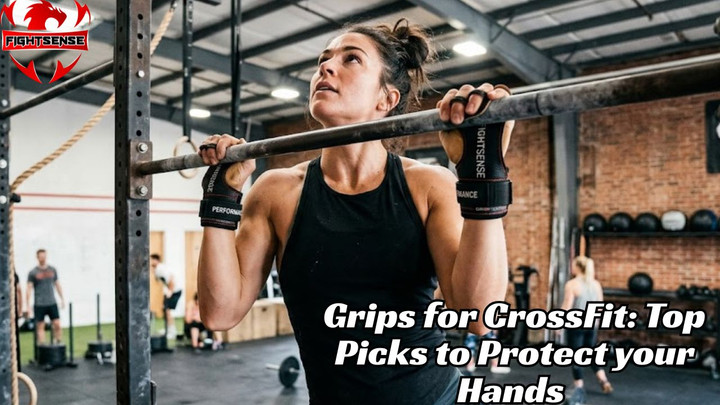
Grips for CrossFit: Top Picks to Protect your Hands
26th May 2025
Grips for CrossFit are essential when it comes to protecting your hands during intense training sessions. Torn palms, painful blisters, and slipping off the bar mid-workout — if you’ve done CrossFit, you’ve probably experienced at least one of these.
The truth is, pushing hard without the right protection can hold you back. That’s where Cross training grips come in. They’re not just accessories—they’re performance tools.
Whether you're doing pull-ups, toes-to-bar, or heavy barbell cycling, the right grips can protect your hands and instantly improve your confidence.
Keynotes:
- CrossFit grips protect hands from tears and blisters
- Different grip types suit different workout styles
- Better grip = improved performance and safety
- Material and fit are key when choosing grips
- Investing in quality grips saves pain and downtime
What is Grips for CrossFit?
Grips for CrossFit are protective hand gear designed to reduce friction between your hands and equipment like pull-up bars, rings, and barbells.
They typically cover your palm and sometimes fingers, acting as a barrier to prevent:
- Skin tears
- Blisters
- Calluses
They also improve your hold, especially during high-rep workouts.
How CrossFit hand grips Works?
Step-by-step:
1. Worn on hands – Secured around wrists
2. Material creates barrier – Reduces direct friction
3. Enhances grip – Better hold on bars/rings
4. Distributes pressure – Prevents hotspots and tearing
Example:
During pull-ups, instead of your skin taking all the stress, the grip absorbs most of it—saving your hands.
Types of Workout hand grips:
1. Grips without fingers
Best for:
- Fast changes
- Simple to take off
- A more natural feel
- Less safety
2-Hole & 3-Hole Grips
Best for:
- Control and stability
- Fit securely
- More coverage
- A lot of athletes like it
3. Grips made of leather
Best for:
- Long-lastingness
- Lasting a long time
- Need to break in
- A classic choice
4. Grips made of synthetic material
Best for:
- Performance
- No chalk needed in some circumstances
- Strong hold
- Not heavy
5. Grips made of carbon fiber
Best for:
- Athletes that are already good
- Very sticky
- Very strong
- High price
Benefits of Using Hand grips for strength training:
Using straps for CrossFit really helps you perform better:
- Protects hands: stops cuts and tears
- Better grip strength means less slippage on bars.
- Better Confidence: Don't think about the discomfort, just the reps
- Longer training sessions: no breaks early on
- Hygiene: Less direct touch with tools
Best Fitness hand protection grips Options in 2026:
1. Grips made of carbon
Good things:
- Very long-lasting
- Better grip
- No need for chalk
Drawbacks:
- Costly
- May feel stiff at first
Best for:
- Athletes that want to win
2. Synthetic grips without chalk
Pros:
- Crossfit Workouts that are clean
- A lot of friction
- Not heavy
Disadvantages:
- Can wear out faster
- Not as breathable
Best for:
- Gyms where there isn't a lot of chalk
3. Grips made of leather
Pros:
- Strong
- After they break in, they're comfortable.
- Not too expensive
What are the cons?
- Needs chalk
- First stiffness
Best for:
- People who are new to it or have some experience
4. Grips without fingers
Pros:
- Fast changes
- Simple design
- Not heavy
Negative points:
- Less safety
- Not as safe
Best for:
- WODs that move quickly
Comparison Table:
|
Type |
Features |
Protection |
Ease of Use |
Price/Value |
|
Carbon Grips |
Ultra grip, durable |
Very High |
Moderate |
High |
|
Synthetic Grips |
No chalk needed |
High |
Easy |
Medium |
|
Leather Grips |
Classic durability |
High |
Moderate |
Medium |
|
Fingerless Grips |
Minimal design |
Low |
Very Easy |
Low |
|
3-Hole Grips |
Full coverage |
Very High |
Moderate |
Medium |
How to Choose the Right Grips for CrossFit?
Step-by-step guide:
1. Identify your workout style
- Gymnastics-heavy → carbon or synthetic
- Mixed training → leather
2. Check comfort & fit
- Too tight = discomfort
- Too loose = slipping
3. Consider chalk usage
- No chalk gyms → synthetic grips
4. Evaluate durability
- Frequent training → invest in premium
5. Budget smartly
- Beginners → mid-range
- Advanced → premium grips
Common Mistakes to Avoid:
- Buying the wrong size
- Ignoring material type
- Not breaking in leather grips
- Over-relying on grips instead of grip strength
- Skipping wrist support
Safety Tips / Best Practices:
- Always check grips before workouts
- Clean regularly to maintain performance
- Don’t use torn grips
- Combine with proper hand care
- Use chalk if required for extra friction
Real-Life Use Cases:
Pull-Ups with a lot of reps
Grips keep your hands from getting sore during hard workouts and help you stay consistent even when you're doing a lot of reps without losing grip strength.
Cycling with a barbell
They improve your hold during cleans, snatches, and jerks, reducing slipping even when your hands get sweaty in fast-paced workouts.
Work on the Ring
Grips give you more stability during dips, muscle-ups, and transitions, which helps you stay in control while you do actions that are hard to regulate.
Training Every Day
They protect your palms from long-term damage, which keeps your hands healthy so you can train without any problems.
Fightsense Grips – Trusted Performance for Athletes:
Fightsense is a fitness brand that makes tough, high-performance CrossFit grips that are perfect for hard workouts. Their grips give your wrists substantial support, stop them from slipping, and keep your hands safe throughout pull-ups, bar work, and high-rep WODs.
Fightsense grips are great for both novices and advanced athletes. They help decrease hand tears and boost grip confidence, so they're a good choice for CrossFit training every day.
Last Thought:
The appropriate grips can make a big difference in how you train. You don't have to worry about tearing your hands or losing your grip in the middle of an exercise. Instead, you can focus on performance and consistency.
Buying good grips for CrossFit isn't just about comfort. It's also about exercising smarter, remaining injury-free, and getting better results over time.
FAQS:
1. Do you need grips for CrossFit?
Not required, but strongly advised for safety and performance.
2. Do grips take the role of grip strength?
No, they help but don't take the place of strength training.
3. Which grips are best for beginners?
A good place to start is with leather grips.
4. Is it possible to use grips without chalk?
Yes, especially grips made of synthetic materials or carbon.
5. How long do grips for CrossFit last?
It can last anywhere from a few months to a year, depending on the material and how it is used.
6. Should the grips be stiff or loose?
They should fit well but not stop you from moving.