
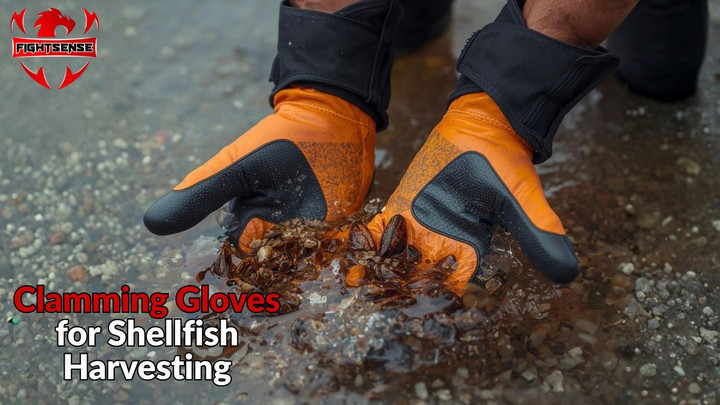
Best Clamming Gloves for Shellfish Harvesting
16th Mar 2025
Clamming Gloves are essential for anyone who enjoys spending time by the shore collecting fresh seafood. Clamming is one of the most fulfilling outdoor activities that helps you interact with nature while gathering delicious seafood.
Whether you are a rookie or an expert clammer, having the right pair of gloves is one item of equipment you definitely cannot disregard. These gloves ensure necessary comfort and protection, thereby allowing you to enjoy the clamming experience free from risk.
Keynotes:
-
Quality shellfish harvesting gloves protect hands from sharp shells and pebbles.
-
Their water-resistant design keeps hands dry during long sessions.
-
Durable digging gloves provide a better grip on tools and slippery surfaces.
-
Heavy-duty shoreline gloves last for multiple seasons.
-
Well-fitting protective hand gear improves comfort and reduces hand fatigue.
Why You Need High-Quality Clamming Gloves?
Harvesting shellfish without proper protection can lead to cuts, scrapes, and cold hands. Clamming gloves are essential because they:
- Protect against sharp shells and abrasive surfaces
- Enhance grip for slippery clams and oysters
- Provide thermal comfort in cold or warm water
- Reduce hand fatigue during long harvesting sessions
Types of Clamming Gloves You Should Consider:
Choosing the right type depends on your harvesting conditions:
- Neoprene Clamming Gloves – Ideal for cold water; flexible and durable.
- Rubber Gloves – Heavy-duty, waterproof, and long-lasting.
- Breathable Synthetic Gloves – Perfect for warm climates, keeping hands cool.
- Cotton-Lined Gloves – Comfortable for casual use, less protective in harsh conditions.
Key Features of Work Gloves for Shellfish:
When selecting gloves, focus on features that provide protection, comfort, and performance:
Waterproof Materials
Neoprene or rubber gloves prevent water from soaking your hands, keeping them dry during long harvesting sessions.
Cut and Abrasion Resistance
Reinforced palms protect your hands from sharp shells and rough surfaces, reducing the risk of injuries.
Grip and Dexterity
Textured palms and flexible materials allow you to handle slippery clams and oysters efficiently.
Weather Adaptability
Choose insulated gloves for cold water or lightweight options for warm weather to maintain comfort in all conditions.
How to Choose the Right Harvesting Gloves?
Match Gloves to Your Environment
- Cold water: insulated neoprene gloves
- Warm, muddy areas: breathable synthetic gloves
Check Ergonomic Fit
Gloves shaped to the natural hand curve reduce fatigue and improve efficiency.
Prioritize Durability
Reinforced palms and high-quality stitching ensure your gloves last multiple harvesting seasons.
Seek Multi-Purpose Functionality
Gloves suitable for clamming and other water activities offer better value and usability.
Conclusion:
Regardless of degree of competence, clamming gloves are a must-have tool for everyone involved in shellfish collection. Their comfort, durability, and protection free you to focus on enjoying the sport free from worries for hand injuries or discomfort. Purchasing a top pair of clamming gloves will ensure that your clamming excursions are enjoyable and safe.
Disclaimer:
This site provides content for only general informative needs. See an expert or always follow manufacturer instructions before using any tools for clamming.
FAQs:
1. Are clamming gloves essential for beginners?
Yes; they protect hands from cuts, abrasions, and slippery surfaces, making clamming safer.
2. What is the typical lifespan of clamming gloves?
Premium gloves last 2–5 years with proper care and maintenance.
3. Can regular gloves be used instead of clamming gloves?
No; regular gloves lack waterproofing, reinforced grip, and cut resistance needed for safe harvesting.
4. Which features make gloves suitable for all-weather harvesting?
Thermo-regulating linings, reinforced palms, and flexible waterproof materials ensure performance in any condition.