
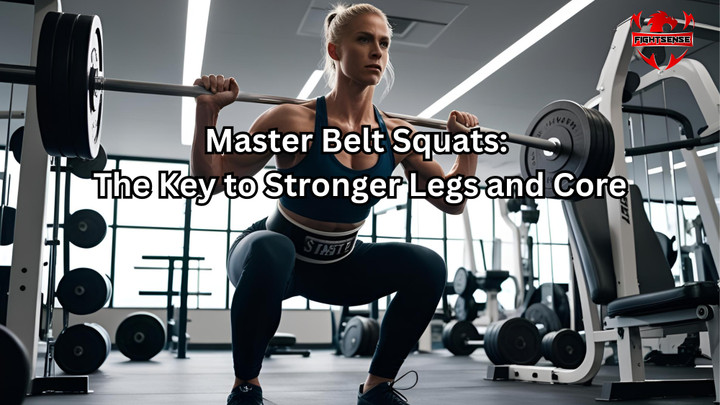
Master Belt Squats: The Key to Stronger Legs and Core
5th Mar 2025
Belt squat exercises are highly effective workouts that target your legs and glutes while minimizing stress on the spine. In this blog, we’ll cover the key benefits of belt squats, proper form, and the essential equipment you need to maximize results. You’ll also learn why using a squat belt is important for protecting your lower back and enhancing overall squat performance.
Key Highlights:
-
Belt press reduce spinal stress while effectively working the legs and glutes.
-
The best belt for Leg belt workout depends on your needs, whether a lever squat belt or a chain belt with a chain.
-
Start with a manageable belt squat starting weight to master the form before increasing load.
-
These are a fantastic alternative for those who want to avoid back strain but build lower-body strength.
What is a Belt Squat?
A Leg belt is a variant on a squat whereby the weight hangs from your hips through a hip squat belt instead of resting on your shoulders. For individuals trying to avoid conventional barbell squats, this approach targets the legs and glutes more precisely and lessens spinal compression.
This workout provides a unique approach to develop lower body strength, whether you use a weight belt squats or a lever Leg belt machine.
How to Perform a Belt Squat:
Use these basic guidelines to execute a Leg belt. Setup Use a lever squat belt machine or tie a belt for belt squats.
-
Arrange the belt tightly round your waist with the hip squat belt.
-
Maintaining an elevated chest, lower your body into a squat.
-
To get back to a standing posture, push through your heels.
-
Belt dips are safer for folks with back issues since the weight placed on your hips reduces spinal strain.
Belt Squat Benefits:
The central Belt load advantages are these, which make this exercise a must-try:
-
Belt loads remove this risk, unlike conventional squats, which strain the spine.
-
This lower-body exercise that lowers back tension targets the quads, hamstrings, and glutes more especially.
-
The hip squat belt enables deeper squats, enhancing hip mobility and flexibility.
-
It is perfect for those who wish to increase leg strength but must avoid taxing their upper body, it is safe for back issues.
Choosing the Best Belt for Belt Squats:
Selecting the best belt for Belt loads depends on your workout preferences. Here are a few options:
-
Dip Belt Squat: Ideal for adding extra weight to your squat belt.
-
Lever Belt press: Provides more control and stability with a machine-based setup, which is excellent for focusing on form.
-
Squat Belt with Chain: This setup allows for adjustable weight, making it perfect for progressive overload.
Are Belt Squats Good for You?
Any exercise program would be much enhanced with Squat harness. Those with back discomfort, newbies, or anyone searching for a safer squat variation will mainly find these helpful in weightlifting, and it is a good variation of weightlifting belt.
Belt load lifts, whether you use a squat belt with a chain or conduct dipping Squat harness work your legs without taxing your spine excessively.
Belt Squat Variations:
-
Elevated Heels: Focuses on quads and allows deeper squats for limited ankle mobility.
-
Wider Stance: Engages glutes and inner thighs; builds hip strength.
-
Tempo Squats: Slow descent, pause, and explosive rise; increases time under tension and muscle growth.
-
Single-Leg Belt Squat: Trains each leg individually, improving balance and addressing strength imbalances.
-
Pause at the Bottom: Holding the squat at the lowest point boosts stability, control, and quad activation.
Integrating Belt Squats into Your Workout Program:
It's one thing to know how to do the exercise; it's quite another to know when to do it within your training week. This is the best way to program belt squats for optimal performance.
As a Primary Lower Body Movement: Belt squats might be your primary leg strengthening exercise if you have back problems and are unable to perform barbell squats. Give them the same consideration, start your workout with them when you're feeling your best, and gradually raise the weight over time.
As a Secondary or Accessory Movement: Belt squats are an excellent secondary or accessory activity if you are currently doing strong barbell squats or deadlifts. They let you work your legs harder and add more volume without putting additional strain on your lower back and spinal erectors. After your main lifts, perform them for three to four sets of eight to fifteen repetitions.
For High-Volume or Hypertrophy Focus: Belt squats are perfect for high-rep sets, drop sets, and other intensity methods utilized for muscle growth because of their minimal strain on the spine. You may push your legs to the limit without running the same risk as if you were carrying a heavy bar on your back.
Shop Now !
Conclusion:
Boost your leg day and reduce spinal strain by including belt squats. Different types of belts or equipment choices, such as the weightlifting or lever belts, can customize your exercise to fit your demands. Start with the correct gear, concentrate on form, and steadily increase weight to enjoy this special squat variant fully.
FAQs:
1. What makes Resistance squat different from regular squats?
Resistance squat place the weight on your hips instead of your back, reducing spinal strain while targeting the lower body.
2. Can I use a regular weight belt for Power squat?
A hip or lever squat belt is recommended for better comfort and effectiveness.
3. What are the benefits of Power squat?
They reduce back strain, improve leg activation, and enhance hip mobility, making them safer for those with spinal concerns.
4. How much weight should I use for Leg drive squat?
Start with a light Leg drive squat starting weight and gradually increase as you build strength and control.
5. Are Hip load squat suitable for beginners?
They’re an excellent option for beginners due to their lower-risk design and ability to teach proper squat form.
Disclaimer:
For information only. Consult a doctor or trainer before starting new workouts. Individual results may vary.