
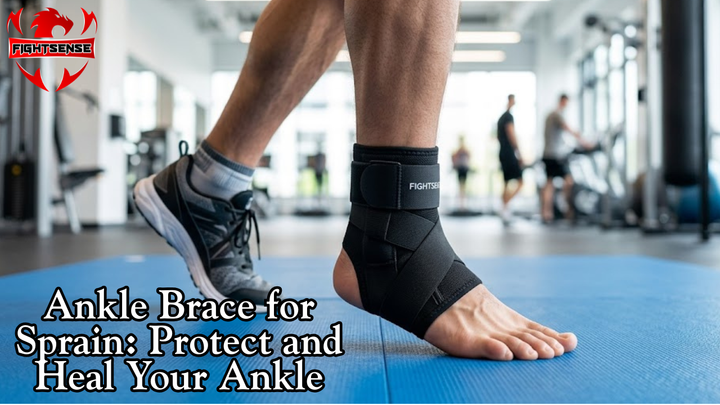
Ankle Brace for Sprain: Protect and Heal Your Ankle
29th Jun 2025
Ankle brace for sprain helps provide support and stability during recovery from an ankle injury. An ankle sprain occurs when the ligaments are stretched or torn due to sudden movement or missteps. Wearing an ankle brace reduces pain, prevents further injury, and allows you to stay active while healing.
Key highlights:
- Ankle brace for sprain provides stability, comfort, and faster recovery.
- The best ankle brace for running offers lightweight support without restricting movement.
- Choosing the right ankle brace ensures maximum comfort, support, and protection.
- Reputable brands like Fightsense offer high-quality, durable ankle braces.
What is an Ankle Sprain and Why It Happens?
An ankle sprain occurs when the ligaments that connect the bones in your ankle stretch beyond their normal range or tear. These ligaments act as stabilizers for your ankle, so when they are injured, the joint becomes weak, painful, and sometimes swollen.
Sprains are typically classified into three levels of severity:
-
Mild (Grade 1): Ligaments are slightly stretched with minor swelling and discomfort.
-
Moderate (Grade 2): Partial tearing of the ligaments, causing more noticeable swelling, bruising, and difficulty walking.
-
Severe (Grade 3): Complete ligament tear, significant pain, instability, and inability to bear weight.
Common causes of ankle sprains include:
-
Twisting or rolling the ankle compression sleeve while walking, running, or exercising.
-
Landing awkwardly from a jump or misstepping on uneven surfaces.
-
Sudden changes in direction during sports.
Recognizing the symptoms early—pain, swelling, bruising, or a feeling of instability—can help you take the right measures, like using an ankle brace, to support recovery and prevent further injury.
Understanding Ankle Brace for Sprain:
An ankle sprain occurs when the ligaments that support the ankle stretch or tear. They are typically classified into three types:
-
Mild (Grade 1): Slight stretching, minor swelling, little or no instability.
-
Moderate (Grade 2): Partial tearing of ligaments, noticeable swelling, some difficulty walking.
-
Severe (Grade 3): Complete tear, significant swelling and bruising, inability to bear weight.
Common causes include sports injuries, slips, trips, or awkward landings. Symptoms often include pain, swelling, bruising, and a feeling of weakness or instability in the ankle.
How to Use an Ankle Brace Effectively?
Using an ankle brace properly is key to speeding up recovery and preventing further injury. Here’s how to get the most benefit from your brace:
1. Proper Placement:
Always follow the manufacturer’s instructions for wrapping or securing your brace. Make sure it fits snugly around your ankle without cutting off circulation. A well-fitted brace stabilizes the joint while allowing enough flexibility for normal movement.
2. Duration of Use:
Wear the brace during activities that could stress your ankle, such as walking, running, or sports. For severe sprains, follow your doctor’s guidance on prolonged use. Overusing or underusing the brace can both slow down recovery.
3. Combine with the RICE Method:
For optimal healing, use the brace alongside the RICE protocol:
-
Rest: Avoid activities that put pressure on the injured ankle.
-
Ice: Apply ice packs to reduce swelling and inflammation.
-
Compression: The ankle brace provides gentle compression to control swelling.
-
Elevation: Keep your ankle raised above heart level whenever possible to reduce fluid buildup.
By wearing the brace correctly and combining it with proper care, you can support your ankle’s recovery and regain mobility faster.
Boost Your Ankle Recovery with These Tips:
While an ankle brace provides essential support, combining it with other healing strategies can help you recover faster and prevent future injuries.
1. Strengthening Exercises:
Once swelling and pain begin to subside, gentle stretches and mobility exercises can help rebuild strength and flexibility in your ankle. Simple moves like ankle circles, calf stretches, and resistance-band exercises improve stability and reduce the risk of recurring sprains.
2. Gradual Return to Activity:
Avoid jumping back into full activity too soon. Start with short walks or low-intensity exercises and gradually increase duration and intensity. This slow approach allows your ligaments to regain strength while preventing re-injury.
3. Seek Medical Attention When Needed:
If you notice persistent pain, swelling, or instability despite using a brace and doing exercises, it’s important to consult a doctor or physiotherapist. They can check for more serious injuries, provide tailored rehabilitation plans, and ensure a safe return to daily activities or sports.
Types of Ankle Braces:
Not all ankle braces are created equal. Choosing the right type depends on the severity of your sprain and your activity level.
-
-
Made of elastic or neoprene material.
-
Provide mild compression and support.
-
Ideal for mild sprains or preventive use during sports.
-
-
Semi-Rigid Braces:
-
Reinforced with straps or plastic stays.
-
Offer moderate stability for moderate sprains.
-
Can be used during daily activities or light exercise.
-
-
Rigid Braces:
-
Maximum support with hard shells or hinges.
-
Suitable for severe sprains or post-surgery recovery.
-
Often used under medical supervision.
Brace Type Support Level Comfort Best For Soft Low High Mild sprains / prevention Semi-Rigid Moderate Medium Moderate sprains Rigid High Low Severe sprains / rehab
-
Choosing the Right Ankle Brace:
When selecting a brace, consider:
-
Severity of the sprain: Don’t under-support a serious injury.
-
Activity level: Sports or heavy walking may need stronger braces.
-
Comfort and fit: Ensure it’s snug but not too tight.
-
Material: Breathable fabrics reduce sweat and irritation.
Always measure your ankle according to the brand’s instructions to ensure proper fit.
Boost Ankle Stability with Fightsense Braces:
When it comes to high-quality ankle support and recovery gear, Fightsense offers reliable braces designed to protect and stabilize the ankle during healing or physical activity. Their products provide targeted compression and support, helping reduce swelling, improve circulation, and safeguard weak or injured ligaments.
Whether recovering from a sprain or staying active in sports like running, basketball, or fitness training, Fightsense braces enhance stability and confidence, making your recovery process smoother and safer.
FAQs:
1. What is an ankle brace for sprain?
A supportive device that stabilizes the ankle, reduces pain, and helps ligaments heal.
2. How long should I wear an ankle brace?
Wear it as recommended by your doctor, usually during activity or until healing is complete.
3. Can I run with a sprained ankle brace?
Yes, a running-specific brace offers support while allowing movement.
4. How do I choose the right ankle brace?
Look for support, comfort, fit, and durability based on your activity level.
5. Are all ankle braces the same?
No, quality and support vary; reputable brands like FightSense offer better protection and durability.
Conclusion:
Using an ankle brace for sprain is key to proper healing and preventing further injuries. Whether recovering from a sprain or staying protected during running or sports, the right brace provides support, comfort, and confidence. With options designed for both recovery and athletic performance, you can protect your ankles and get back to your activities safely.
Disclaimer:
This blog is for informational purposes only. Always consult a healthcare professional before choosing or using any ankle brace, especially if you are recovering from an injury or have a pre-existing condition.