
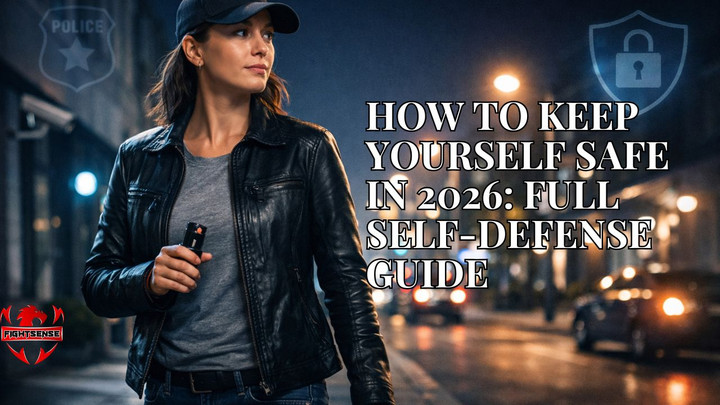
How to Keep Yourself Safe in 2026: Full Self-Defense Guide
3rd Feb 2025
Personal safety is no longer something people think about only in extreme situations. In today’s fast-moving world, knowing how to keep yourself safe has become a basic life skill. Whether you’re walking alone, traveling, or staying at home, simple awareness and the right tools can dramatically reduce risk.
This guide breaks personal safety into clear, practical steps that anyone can follow.
Key things you’ll learn:
- Simple habits that instantly improve daily safety
- How to protect yourself at home and outdoors
- Defensive tools that increase personal protection
- Common mistakes that make people vulnerable
- Emergency actions that save critical time
Why Personal Safety Matters More in 2026
Safety risks have evolved with urban growth, crowded public spaces, and increased mobility. Many incidents happen not because people are careless, but because they are unprepared.
Understanding how to keep yourself safe is about prevention, not fear. Awareness helps you:
- Recognize risky situations early
- React faster during emergencies
- Build confidence in public spaces
- Protect loved ones and property
People who actively plan their safety are statistically less likely to become easy targets. Prevention is always stronger than reaction.
How to Keep Yourself Safe at Home
Your home should feel secure, but safety doesn’t happen automatically. Small improvements can create strong protection.
Strengthen entry points
- Install solid locks on doors and windows
- Use door viewers or cameras when possible
- Keep entrances well lit
Create emergency awareness
- Keep emergency contacts accessible
- Plan exit routes for fire or break-ins
- Store safety tools in reachable places
Build safe routines
- Lock doors consistently
- Avoid sharing personal schedules publicly
- Stay alert when answering the door
Home safety is about layered protection. Each small habit adds another barrier against risk.
How to Keep Yourself Safe Outdoors
Outdoor environments are unpredictable. Situational awareness is your strongest defense.
Practice active awareness
- Avoid distractions like excessive phone use
- Observe surroundings when entering new places
- Trust your instincts when something feels wrong
Smart travel habits
- Walk confidently and with purpose
- Stay in well-lit areas at night
- Share your location with trusted contacts
Reduce vulnerability
- Keep valuables secure
- Avoid isolated shortcuts
- Prepare quick access to defensive tools
Learning how to keep yourself safe outdoors is mostly about staying mentally present. Most threats can be avoided early through awareness.
Best Defensive Tools to Keep Yourself Safe
Defensive tools act as force multipliers. They don’t replace awareness, but they provide an extra layer of protection.
Pepper spray
Pepper spray offers distance protection and temporary incapacitation. It’s effective for creating escape opportunities without permanent harm.
Personal alarms
Loud alarms attract attention and deter attackers. They are simple, lightweight, and ideal for everyday carry.
Defensive stun tools
Compact defensive devices can disrupt threats long enough to escape. Proper training and legal awareness are important before use.
Tactical flashlights
Bright flashlights disorient threats and improve visibility in dark areas. They also serve as practical everyday tools.
Fightsense defensive tools are designed for real-world situations, combining portability with reliability so protection is always within reach.
Common Safety Mistakes People Make
Even cautious individuals can fall into habits that increase risk.
Overconfidence
Assuming incidents “won’t happen to me” reduces preparedness.
Ignoring surroundings
Distraction is one of the biggest contributors to vulnerability.
Lack of planning
Without a safety strategy, reaction time slows during emergencies.
Carrying tools without training
Defensive tools are effective only when users understand how to deploy them quickly.
Avoiding these mistakes dramatically improves personal security.
Emergency Situations — What to Do
When emergencies occur, clear thinking saves lives.
Step 1: Create distance
Your first goal is escape, not confrontation.
Step 2: Attract attention
Use alarms, shouting, or bright lights to draw help.
Step 3: Use defensive tools if necessary
Deploy tools confidently and focus on escaping.
Step 4: Contact authorities
Report incidents immediately once safe.
Understanding how to keep yourself safe during high-stress moments requires mental rehearsal. Practicing scenarios improves reaction speed.
How Fightsense Defensive Tools Help You Stay Protected
Fightsense focuses on practical, everyday personal protection. Their defensive tools are built for accessibility, reliability, and ease of use.
Key advantages include:
- Compact designs for discreet carry
- User-friendly operation under stress
- Durable construction for daily reliability
- Tools suited for multiple safety scenarios
Integrating Fightsense tools into your safety routine creates confidence and preparedness without complexity.
Security Tips for Everyday Protection
Personal security is strongest when habits become routine.
- Maintain situational awareness at all times
- Keep defensive tools easily accessible
- Regularly review emergency plans
- Stay physically and mentally prepared
- Educate family members about safety practices
Consistency turns safety into a lifestyle rather than an occasional effort.
FAQs
How can I keep myself safe when walking alone?
Stay alert, walk confidently, choose well-lit routes, and carry accessible defensive tools.
What is the best personal defense tool?
The best tool depends on comfort and legality, but pepper spray and personal alarms are widely effective options.
Are defensive tools legal to carry?
Laws vary by location. Always check local regulations before purchasing or carrying tools.
How important is awareness compared to tools?
Awareness is the first line of defense. Tools support awareness but cannot replace it.
Can defensive tools guarantee safety?
No tool guarantees safety, but proper preparation greatly reduces risk.
Quick Recap
- Awareness is your strongest protection
- Home and outdoor safety require planning
- Defensive tools add critical protection layers
- Avoid common mistakes that increase vulnerability
- Practice emergency responses regularly
Conclusion
Learning how to keep yourself safe is one of the most valuable investments you can make in your daily life. Safety is not about fear — it’s about empowerment. With awareness, preparation, and reliable defensive tools, you gain the confidence to navigate everyday situations securely.
Fightsense defensive tools support that confidence by providing practical protection designed for real-world use. When safety becomes a habit rather than an afterthought, you create a stronger foundation for yourself and those around you.